Follow Me On Social Media!

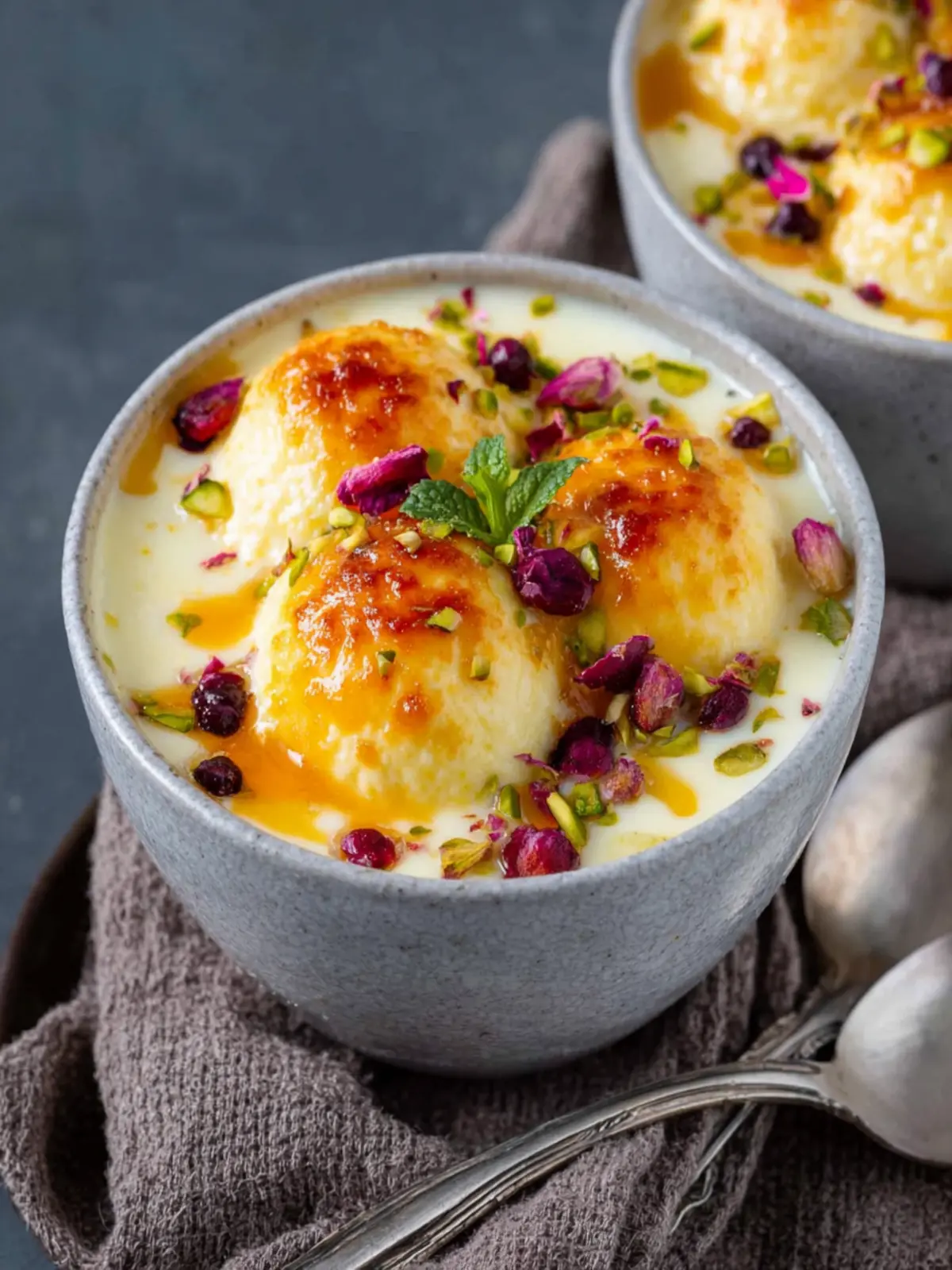
Rabdi Rabri: Irresistibly Creamy Delight You’ll Crave Daily

Introduction to Rabdi (Rabri)
Rabdi, often referred to as Rabri, is more than just a dessert; it’s a cherished memory that many of us hold dear from our childhood. Picture this: a warm evening after a family meal where someone served this rich, creamy delicacy, its aroma wafting through the air. That’s what Rabdi invokes—a sweet nostalgia that brings joy to any gathering. With its luscious texture and aromatic spices, Rabdi is an Indian treat that can elevate any occasion, whether it’s a festive celebration or a simple weeknight indulgence.
Traditionally made by slow-cooking milk until it thickens, Rabdi is enriched with sugar, cardamom, and nuts, making it a feast for the senses. It’s a dish that invites creativity; serve it warm with piping hot jalebi drizzled over the top or chilled with a sprinkle of rose petals for a touch of elegance. The beauty of this dessert is in its simplicity, allowing the flavors of the ingredients to shine through.
Interestingly, the roots of Rabdi can be traced back to various regions in India, each adding their unique twist. This wonderful dessert resonates deeply with those who grew up near the roadside milk vendors, where large brass pots simmered milk into a thick, sweet concoction that would make your mouth water just by the sight and smell. So, are you ready to recreate this wonderful experience in your own kitchen?
As you dive into this delightful journey of making Rabdi, you’ll find that the process is as fulfilling as enjoying the final product. It requires patience and love, two ingredients that have been the secret to many beloved recipes. So grab your apron, and let’s embrace the creamy richness of Rabdi, transforming ordinary moments into extraordinary memories with this age-old dessert that continues to warm hearts across generations.
Discover the Sweet Nostalgia of Rabdi
What is it about Rabdi that captures the heart? Perhaps it’s the soothing aroma of cardamom that transports us back to family gatherings or the creamy texture that feels like a hug in dessert form. No matter your personal history with this dish, making Rabdi serves as a reminder that food is a universal language—one that speaks of love, care, and tradition.
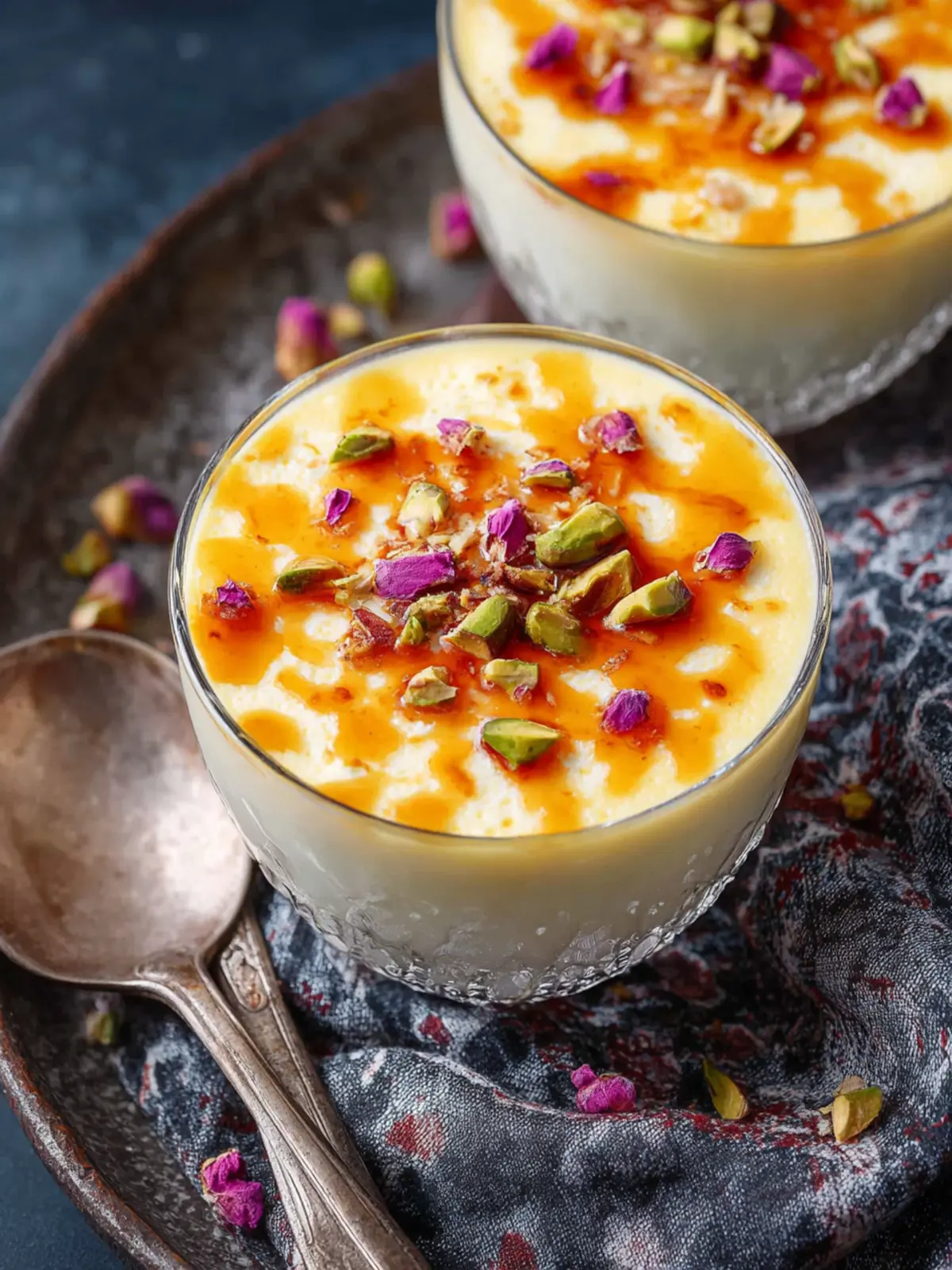
Key Ingredients for Rabdi (Rabri)
Milk: The heart of any great Rabdi is full-fat milk. Cooking it down to a thick, creamy consistency is essential for that indulgent texture. Choosing fresh milk with a high-fat content elevates the richness and flavor, creating a luxurious base for this delightful dessert.
Sugar: I prefer using granulated sugar, as it dissolves beautifully into the warm milk. The sweetness level is adjustable, but I find that around 3-4 tablespoons makes a perfectly balanced dessert.
Saffron: A little bit goes a long way. Soaked in warm milk, saffron threads infuse Rabdi with a beautiful golden hue and a distinct floral aroma that sets this dish apart.
Cardamom: Ground cardamom adds an exotic warmth and complexity, making every bite a fragrant experience. It’s like a little surprise that elevates the entire dish.
Nuts: Chopped almonds and pistachios are my go-to toppings. They add a delightful crunch and complement the creamy texture beautifully, making your Rabdi not just delicious but visually appealing too.
Why You’ll Love This Rabdi (Rabri)
The magic of Rabdi (also known as Rabri) lies not only in its creamy texture but in the heartwarming memories it evokes. Picture a cozy family gathering where the air is filled with laughter and the sweet aroma of this delectable dessert wafting through the room. Rabdi isn’t just a dessert; it’s a celebration of tradition and love—every velvety spoonful transports you back to special moments.
Indulge in Richness
The rich flavor of Rabdi comes from slowly simmered milk, which thickens to perfection. This results in a dessert that is tremendously satisfying—it’s as if each bite holds a warm embrace. The hint of cardamom adds a subtle depth, making every mouthful a delightful experience.
Perfect for Any Occasion
Whether it’s Diwali, Eid, or just a regular Tuesday night, Rabdi elevates any occasion. It pairs beautifully with a range of Indian sweets—from jalebi to gulab jamun—creating a harmonious symphony of flavors.
A Personal Touch
What truly makes this Rabdi special is that it’s often passed down through generations. The technique may vary among families, but the essence remains unchanged—creating a dish that nourishes not just the body but the soul.
Join me on this delightful journey and discover why Rabdi should be on your dessert table!
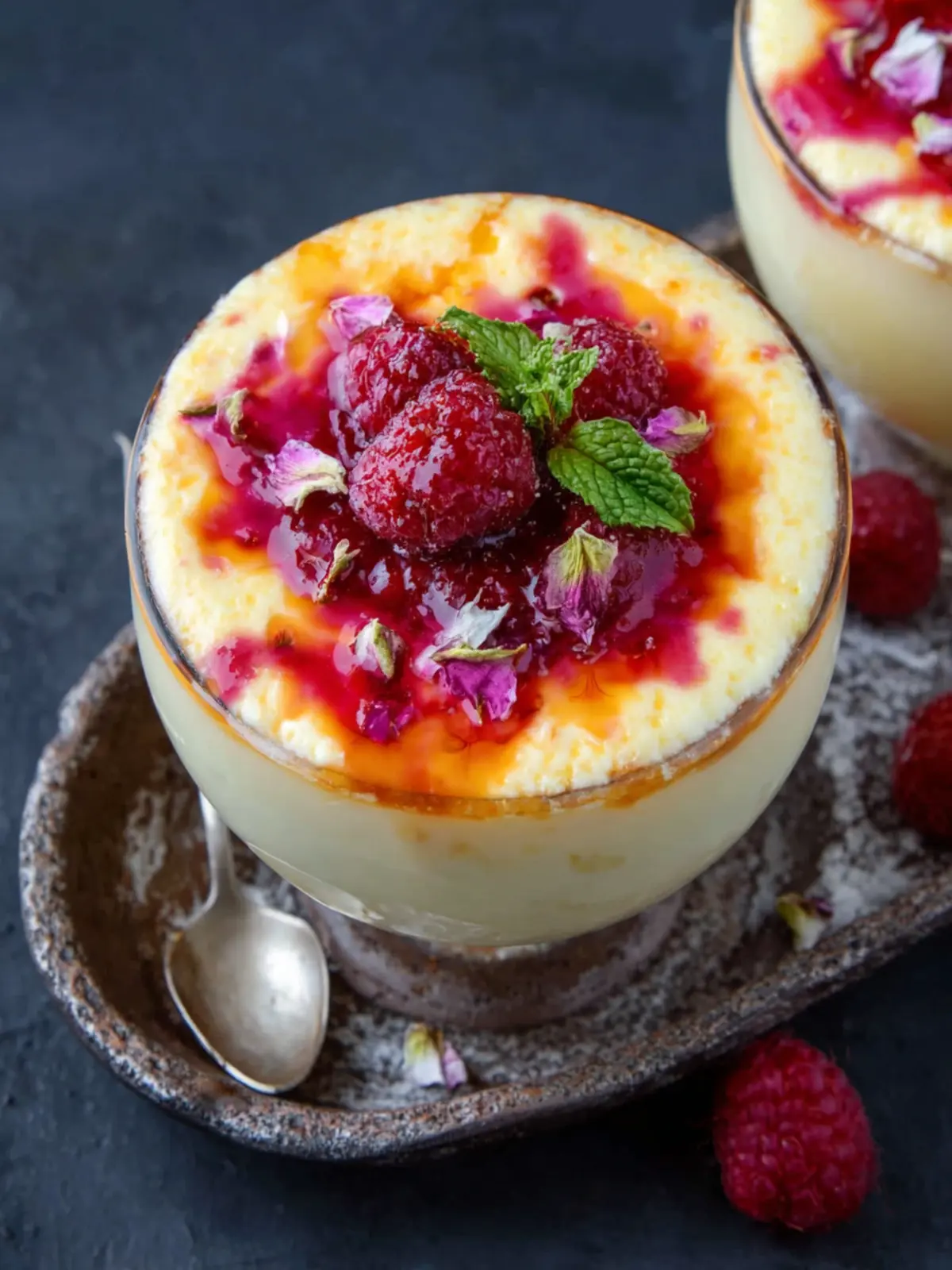
Variations of Rabdi (Rabri)
When it comes to enjoying Rabdi (Rabri), the decadent Indian dessert made from simmered milk, there are countless variations that evoke nostalgia and creativity. This delightful dish naturally lends itself to personalization, allowing you to explore unique flavors that complement its creamy richness.
Classic Rabdi
The traditional version features a luscious blend of whole milk, sugar, cardamom, and saffron. This simple yet enjoyable mix creates a warm and comforting dessert that everyone loves.
Mango Rabdi
Why not introduce a refreshing twist? Mango Rabdi combines the classic recipe with pureed ripe mangoes, adding a fruity burst that brightens the dish. Use seasonal mangoes for a vibrant color and flavor that will impress your guests.
Almond or Pistachio Rabdi
For a nutty experience, try Almond Rabdi or Pistachio Rabdi. I often fold in finely chopped or ground nuts into the hot milk, enhancing the texture while adding depth to the sweetness. These nuts not only contribute to flavor but also offer a delightful crunch.
Kesar Rabdi
For a visual and aromatic upgrade, infuse your Rabdi Rabri with saffron strands, creating Kesar Rabdi. The saffron adds a golden hue and a subtle floral aroma that elevates the dessert into a sophisticated treat.
Chocolate Rabdi
Feeling adventurous? Whip up a Chocolate Rabdi by stirring in some cocoa powder or melted chocolate. This variation is a hit among younger audiences and is perfect for those who adore chocolatey desserts.
These enticing variations inspire creativity, turning a traditional dessert into a culinary adventure!
Cooking Tips and Notes for Rabdi (Rabri)
Creating the perfect Rabdi (Rabri) is not just about following a recipe; it’s about crafting a beautiful dessert that celebrates rich flavors and textures. Picture this: you’re savoring a velvety sweet dish topped with aromatic cardamom, each bite offering a delightful balance of creaminess and sweetness. Here are some tips to help you make that dream a reality.
Choosing the Right Milk
For an exceptional Rabdi, the choice of milk is crucial. Opt for full-fat milk to achieve a creamy texture that makes the dish irresistible. The longer you simmer the milk, the richer and thicker your Rabdi will become. In fact, consider using buffalo milk for its superior creaminess!
Skimming the Malai
As the milk simmers, you’ll notice a layer of malai (cream) forming at the top. Don’t let it go to waste! Gently skim this layer and fold it back into the milk for an extra-rich consistency. This little trick elevates your Rabdi from good to extraordinary!
Flavoring Tips
Spices are the soul of Rabdi. Cardamom is a must, but you can also experiment with a dash of saffron. Soak a few strands in warm milk first to enhance their flavor. For an added touch, crushed nuts like almonds and pistachios not only provide a lovely crunch but also introduce a nutty aroma.
Adjusting Sweetness
Remember, the sweetness of your Rabdi is adjustable. Start with a base level of sugar, then taste as you go. You might prefer a less sweet, more balanced dessert, which complements the rich milk flavors beautifully.
By following these tips, your Rabdi (Rabri) will not merely satisfy sweet cravings but will also impress anyone fortunate enough to enjoy it!
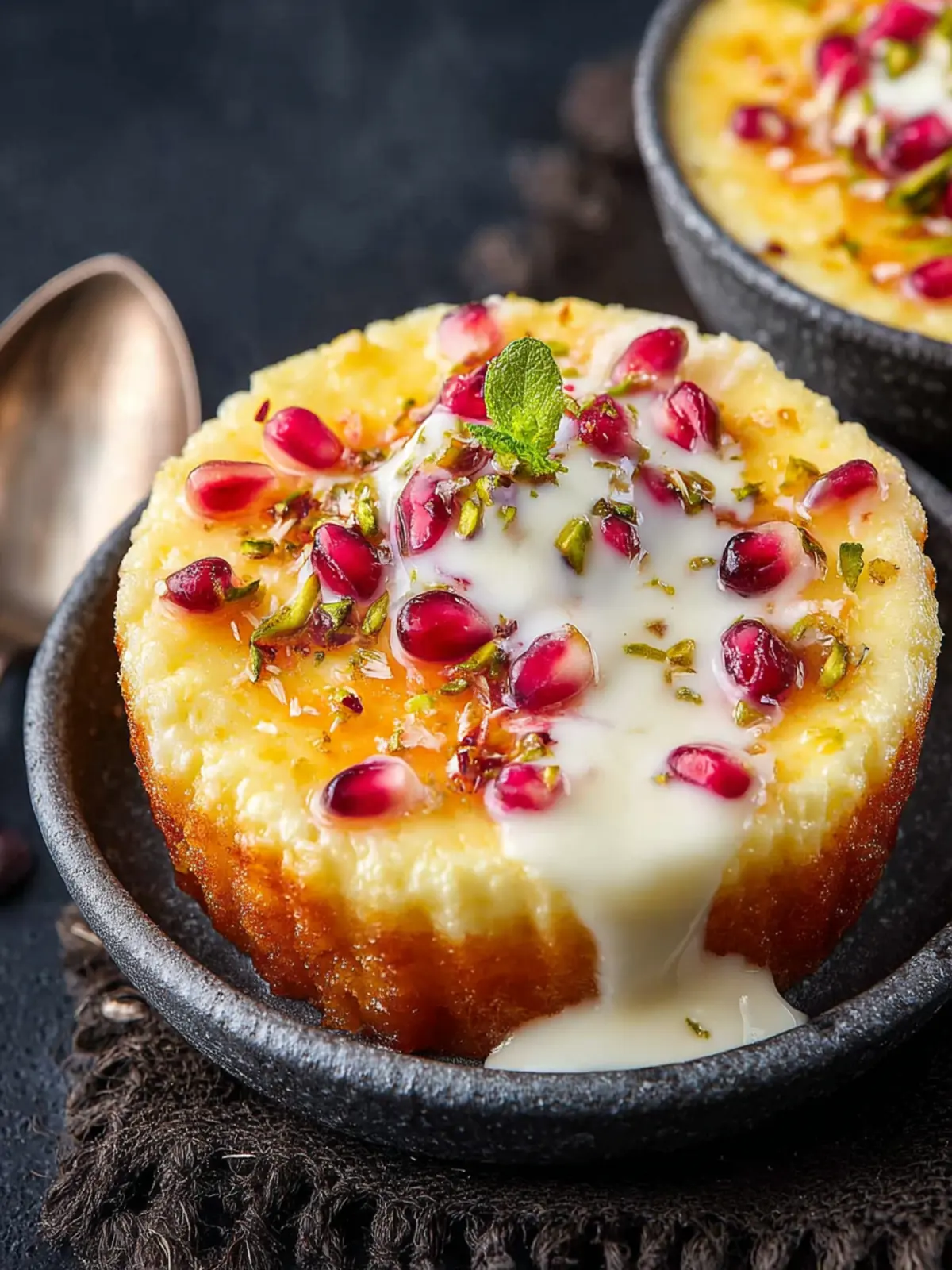
Serving Suggestions for Rabdi (Rabri)
Enjoying Rabdi, a rich Indian dessert, can be a delightful experience, especially when paired thoughtfully. This creamy treat not only stands out on its own but also complements various other traditional Indian delicacies.
Perfect Pairings with Traditional Indian Desserts
-
Gulab Jamun: The warm, syrup-soaked sweetness of gulab jamun is elevated when served with chilled Rabdi. The contrast of temperatures creates a wonderful balance.
-
Ras Malai: Enhance the creaminess of ras malai by drizzling some Rabdi on top. The flavors meld beautifully, making each bite a luxurious indulgence.
-
Sooji Halwa: Serve your Rabdi alongside a bowl of warm sooji halwa. The nutty, semolina-based dessert pairs perfectly with the rich, milky textures of Rabdi.
-
Kheer: For an interesting twist, serve Rabdi over a plate of kheer. It adds an extra layer of creaminess that’s hard to resist.
Choosing how to enjoy your Rabdi can turn a delightful dessert into an unforgettable culinary experience. So, don’t hesitate to get creative with your pairings!
Time Breakdown for Preparing Rabdi (Rabri)
Creating Rabdi is not just about cooking; it’s about savoring the moments of patience and passion that make this traditional Indian dessert so special.
Preparation Time
Prepare to invest about 15 minutes in gathering your ingredients and getting everything ready to create this rich, creamy delight. The initial step is key to ensuring your Rabdi turns out perfectly.
Cooking Time
The cooking process will take around 1 hour. You’ll be gently simmering the milk, stirring patiently, and watching it transform into that luscious, thick consistency we all love.
Total Time
All in all, you’re looking at approximately 1 hour and 15 minutes from start to finish. This time frame allows you to create an authentic Rabri that’s worth every second spent in the kitchen. Enjoy the process and delight your taste buds!
Nutritional Facts for Rabdi (Rabri)
Delving into the nutritional facts for Rabdi (Rabri) reveals how this creamy dessert can fit into your dietary plans. Each serving offers a delightful treat that’s rich in flavor while providing essential nutrients.
Calories
A typical serving of Rabdi contains approximately 180-250 calories. The calorie count can vary slightly depending on the type of milk and sugar used, but it remains an indulgent yet manageable treat.
Summarized Nutrients
- Protein: Around 6 grams, primarily from the milk used in the recipe, aiding in muscle repair and growth.
- Fat: Roughly 9 grams, with healthy fats present if using full-fat dairy.
- Carbohydrates: Approximately 30 grams, mostly from the sugar and milk, providing a quick energy source.
- Calcium: Offers about 150 mg, essential for bone health.
- Vitamins: Contains small amounts of B vitamins beneficial for energy metabolism.
In conclusion, enjoying Rabdi (Rabri) in moderation allows you to savor its rich taste while still providing your body with some nutritional benefits.
FAQs about Rabdi (Rabri)
Indulging in the creamy, sweet delight of Rabdi (Rabri) is a treat that carries not just flavor but a timeless tradition. As I reminisce about family gatherings filled with laughter and joy, my heart is warmed by memories of everyone enjoying bowls of luxurious Rabdi, drizzled with hints of cardamom and garnished with nuts. Below, find answers to some common queries about this decadent dessert, ensuring you get the most out of your culinary adventure.
What are the best ways to serve Rabdi?
Serving Rabdi is an art in itself. For an authentic experience:
- Chilled: Refrigerate your Rabdi for a few hours before serving. The cool, velvety texture is simply irresistible.
- Garnish: Top your serving with slivers of almonds, pistachios, or even rose petals for a fragrant touch.
- Accompaniments: Pair it with sweet fried treats like jalebi or gulab jamun for a delightful contrast.
Can I make Rabdi ahead of time?
Absolutely! Rabdi actually benefits from sitting for a while, as the flavors meld and deepen. Prepare it a day in advance, and let it rest in the refrigerator until you’re ready to serve. Just give it a gentle stir before serving.
How can I store leftover Rabdi?
If you find yourself with leftovers (which is rare!), store the Rabdi in an airtight container in the refrigerator. It should keep well for about 3–4 days. Just remember to allow it to come to room temperature before serving, or enjoy it cold for a refreshing dessert.
With these tips, your journey into the world of Rabdi will become even more enjoyable and satisfying. Happy cooking!
Conclusion on Rabdi (Rabri)
To wrap up our exploration of Rabdi (Rabri), this decadent dessert offers a rich experience that goes beyond mere taste. As you enjoy the silky-smooth texture and the fragrant aroma infused with cardamom and saffron, envision the tradition and love poured into every serving. Making Rabdi is a lovely way to connect with family and friends, whether it’s during festive celebrations or a cozy dinner at home. Embrace the process of slow-cooking the milk, allowing it to reduce to creamy perfection. Each scoop you share not only delights the palate but creates lasting memories worth savoring.
Print
Rabdi
- Total Time: 50 minutes
- Yield: 4 servings 1x
- Diet: Vegetarian
Description
A rich and creamy Indian dessert made by reducing whole milk and flavored with saffron, sugar, and rose water.
Ingredients
Scale
- 1 liter whole milk (full-fat milk)
- 1 pinch saffron
- 1 tablespoon cornstarch (cornflour)
- 3 tablespoons granulated white sugar
- ¼ teaspoon rose water
Instructions
- Add milk to a wide heavy-bottomed nonstick pan and bring it to a boil over medium-high heat, stirring frequently to prevent scorching at the bottom of the pan.
- Note – Try using a wide pan to speed up cooking.
- Once the milk comes to a boil, lower the heat to medium.
- Add saffron strands to the pan and give it a mix.
- Let the milk simmer undisturbed for 1-2 minutes or until a thin layer of malai (milk fat) forms on the surface.
- Using a spatula, move the layer of malai to the side of the pan or mix it back with the milk.
- Scrape the sides of the pan at regular intervals, then keep adding the solidified milk back to the pan.
- Keep scraping the bottom of the pan at regular intervals to avoid scorching.
- Cook similarly (that is undisturbed for 1-2 minutes, then mix the fat layer back) until the milk is reduced to more than half (30-35 minutes).
- Now mix cornstarch with 3 tablespoons of water and make a slurry.
- Add the slurry to the pan and cook until the rabdi thickens (4-5 minutes), stirring frequently.
- Add sugar and rose water, and cook for 3-4 minutes.
- Pour the ready rabri into earthen pots for more flavor, or transfer it to a regular serving bowl.
- Garnish with almond and pistachio slivers and dried rose petals.
- You can soak saffron strands in water for 3-4 hours and pour the saffron-soaked water over the rabdi to make it look even more indulgent.
- Silver or gold foil can also be used as a garnish.
- Either serve hot or chill in the refrigerator for a few hours before serving.
Notes
- For a richer flavor, consider using earthen pots for serving.
- To enhance the saffron flavor, soak saffron strands in warm water before adding them to the milk.
- Prep Time: 10 minutes
- Cook Time: 40 minutes
- Category: Dessert
- Method: Stovetop
- Cuisine: Indian
Nutrition
- Serving Size: 1 cup
- Calories: 210
- Sugar: 16 grams
- Sodium: 90 mg
- Fat: 10 grams
- Saturated Fat: 6 grams
- Unsaturated Fat: 2 grams
- Trans Fat: 0 grams
- Carbohydrates: 24 grams
- Fiber: 0 grams
- Protein: 6 grams
- Cholesterol: 30 mg