Follow Me On Social Media!
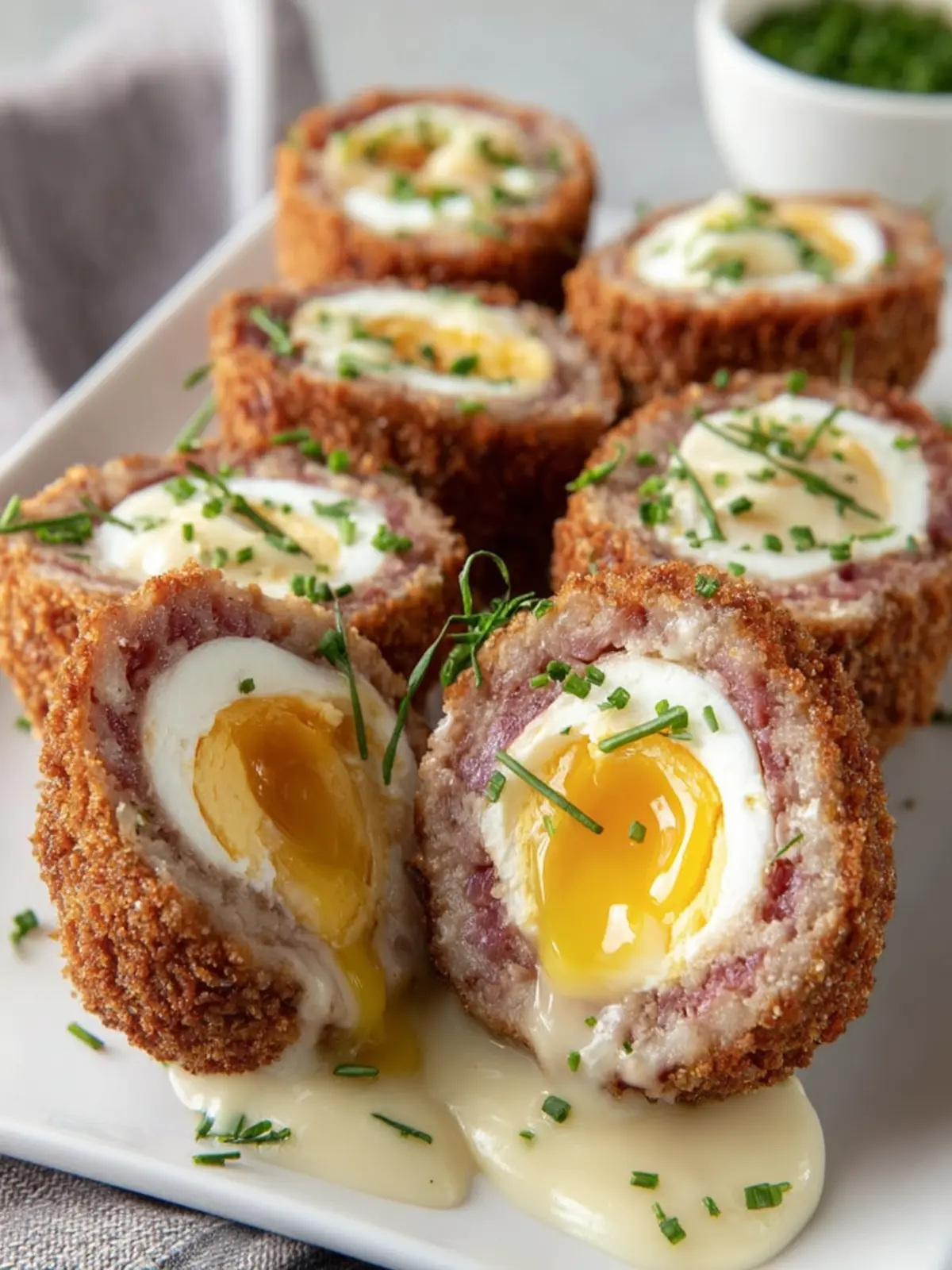
Traditional British Scotch Eggs That Are Irresistibly Crunchy

Introduction to Traditional British Scotch Eggs
Imagine biting into a traditional British Scotch egg, where the crisp exterior gives way to a tender layer of sausage meat, cradling a perfectly boiled egg in the heart. This iconic snack has a rich history, believed to have originated in the 18th century, possibly as a refined take on a picnic treat or a filling meal for travelers. As a quintessential part of British gastronomy, Scotch eggs offer not just sustenance but also a delightful balance of flavors and textures that make them irresistible.
One of the reasons Scotch eggs have earned their spot as a beloved treat is their versatility. Whether you’re enjoying them at a gourmet pub, packed for a countryside picnic, or simply devoured at home, they evoke a sense of comfort and nostalgia. Their appeal lies in the ingredients — a hard-boiled egg wrapped in seasoned sausage meat, rolled in crunchy breadcrumbs, and then deep-fried to perfection. It’s a messy, indulgent joy that feels like a little celebration with every bite.
Think about it: who can resist the allure of a Scotch egg? They awaken the senses with their golden crust and rich, hearty filling. Traditionally served with a side of tangy mustard or piccalilli, they add just the right zing to your palate. They’re perfect for casual gatherings with friends, making them a crowd-pleaser that can easily be cut into halves or quarters for sharing.
Interestingly, the Scotch egg has also evolved over time, spawning various flavors and styles, from vegetarian adaptations to gourmet variants featuring exotic seasonings. However, the essence of the traditional British Scotch egg remains unchanged — a simple but effective combination of quality ingredients that come together to create something truly special. So, grab your apron and let’s dive into making this timeless snack a highlight of your culinary repertoire!

Key Ingredients for Traditional British Scotch Eggs
Eggs: In making traditional British scotch eggs, the choice of egg is paramount. I always opt for large eggs that strike the perfect balance between flavor and texture. Boiling them precisely creates a slightly soft-yolked center that complements the savory sausage perfectly.
Sausage Meat: The heart of this recipe lies in the sausage meat. I prefer using high-quality sausage that bursts with rich flavor. Feel free to experiment with varieties like spicy or herbed sausage; they add unique depth and a wonderful twist to the classic dish.
Mixed Herbs: To elevate the taste, I love incorporating a blend of dried mixed herbs. This addition not only boosts the aroma but also infuses the scotch eggs with a hint of freshness that lingers on your palate.
Breadcrumbs: For that essential crunch, a crisp coating is key. Fine breadcrumbs work best, enveloping the sausage-wrapped eggs and turning golden when fried, ensuring each bite is satisfying.
Flour and Eggs: Flour serves as the adhesive in our breading process, while beaten eggs add moisture and richness. This combination secures the flavorful layer, ensuring that every bite of your traditional British scotch eggs is delightful.
Why You’ll Love This Recipe
Discover the joy of crafting traditional British Scotch eggs and elevate your snacking game! Picture this: a perfectly boiled egg, enveloped in succulent sausage meat, coated in crispy breadcrumbs, and deep-fried to golden perfection. Not only is this dish a delicious nod to British culinary tradition, but it’s also the perfect combination of textures and flavors that will leave your taste buds dancing.
A Delightful Snack for Any Occasion
-
Versatile Enjoyment: Whether it’s a picnic in the park, a cozy home movie night, or a fancy brunch with friends, these Scotch eggs can shine in any setting. Serve them hot or cold, and they’ll always be a crowd-pleaser.
-
Nutritious and Satisfying: With protein-packed eggs wrapped in hearty sausage, this recipe provides a fulfilling snack that’s both nourishing and delicious. It’s especially appealing for those who appreciate a balance of rich flavors and hearty ingredients.
-
Easy to Customize: Feeling adventurous? You can play with the spices in the sausage mixture or even experiment with different fillings. Think about adding a hint of herbs or spices that resonate with your palate.
Embarking on the delightful journey of making traditional British Scotch eggs invites you to not just enjoy a meal, but to create a masterpiece that brings friends and family together around the table.
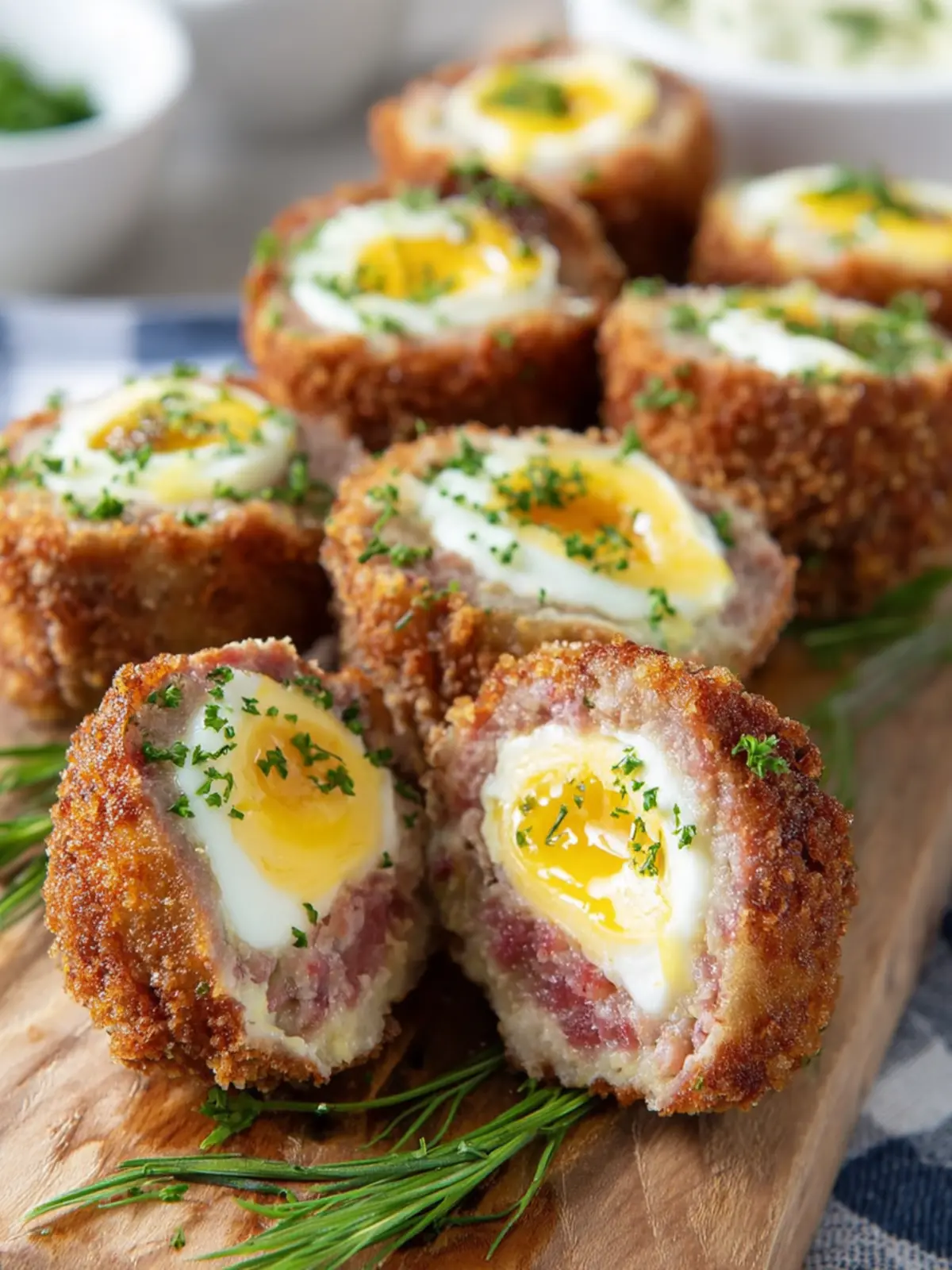
Variations to Try with Traditional British Scotch Eggs
The charm of traditional British Scotch eggs lies in their delightful combination of flavors and textures, but why stop there? Experimenting with variations can elevate your scotch eggs from classic to extraordinary, making your culinary adventures even more exciting.
Flavorful Fillings
- Spicy Sausage: For a little kick, try using spicy chorizo or Italian sausage instead of the usual pork. The added heat beautifully complements the richness of the egg.
- Herb-Infused Meats: Mixing fresh herbs like parsley, chives, or thyme into the sausage meat not only enhances the flavor but also adds a burst of freshness.
Creative Coatings
- Panko Breadcrumbs: Instead of standard breadcrumbs, panko gives a lighter, crunchier texture that’s simply irresistible. An added benefit is that they absorb less oil, helping to keep your scotch eggs lighter.
- Cheese Delight: Incorporate some grated cheese, like cheddar or feta, into the coating for a delicious cheesy flavor in every bite.
Unique Variants
- Vegetarian Version: Swap meat for a mixture of cooked quinoa, black beans, and spices. This plant-based option appeals to vegetarians and adds a protein punch.
- Smoked Salmon: For a gourmet twist, use smoked salmon paired with cream cheese and dill for a decadent brunch favorite.
No matter which variations you try, the beloved traditional British Scotch eggs provide a versatile canvas that welcomes creativity. Enjoy the process of customizing this classic dish to suit your taste!
Cooking Tips and Notes
Creating traditional British Scotch eggs at home is a delightful culinary adventure, and a few thoughtful tips can elevate your dish to perfection.
Making the Perfect Sausage Mixture
Choose high-quality sausage meat, as it plays a vital role in flavor. If you’re feeling adventurous, mix in some herbs like thyme or sage to give your filling an extra layer of depth. Always ensure it’s well-seasoned before wrapping it around the eggs.
Egg Cooking Tips
For that perfectly gooey center, use medium-sized eggs and boil them for only 6-7 minutes. This will give you a lovely soft yolk. Always plunge the eggs into cold water immediately after boiling to stop the cooking process.
Breading and Frying
For a crispy outer layer, ensure your bread crumbs are fine and evenly coated. A double-dip in the flour and egg wash can help achieve a thicker crust. Fry in hot oil; this will ensure they cook evenly and develop a beautiful golden-brown color.
Storage and Serving Suggestions
Traditional British Scotch eggs can be made ahead of time and stored in the fridge. They taste fantastic served cold, making them perfect for picnics or lunchboxes. Pair them with a tangy relish or mustard for a gastronomic treat.
With these tips in hand, you’re ready to embark on your Scotch eggs journey!
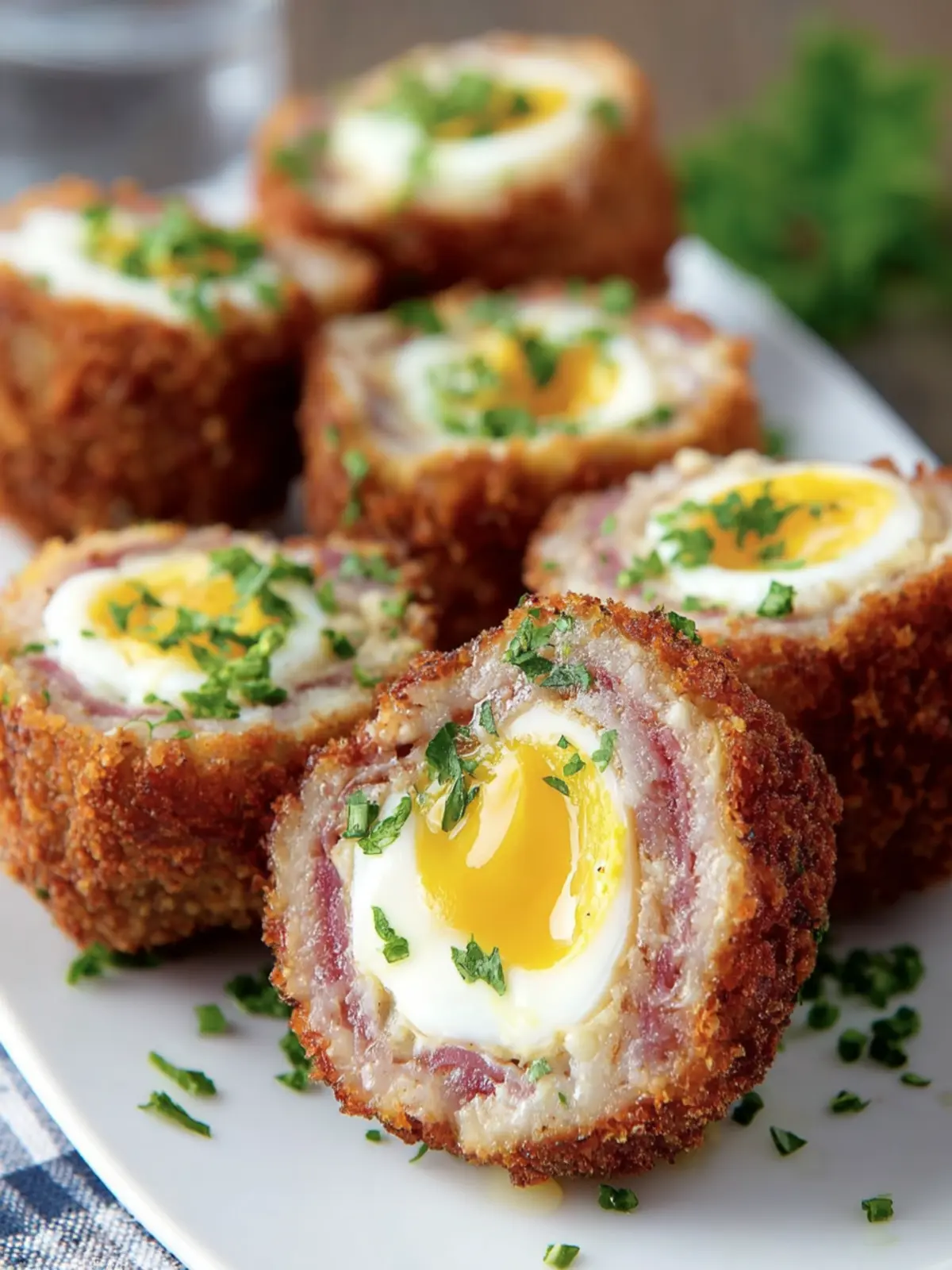
Serving Suggestions for Traditional British Scotch Eggs
Traditional British Scotch eggs are a delightful culinary experience, making them perfect for various occasions. Whether it’s a picnic in the park or a casual evening snack, these savory delights shine in any setting. To truly elevate your Scotch egg experience, consider the following serving suggestions:
-
Dipping Sauces: Pair with a variety of dips to add layers of flavor. Classic options include tangy mustard, a zesty garlic aioli, or a homemade spicy ketchup. Each dip complements the rich sausage and yolk beautifully.
-
Fresh Salad: Serve your Scotch eggs alongside a simple green salad. A mix of arugula, cherry tomatoes, and a light vinaigrette adds freshness and balances the richness of the eggs.
-
Cheese Platter: Create a small cheese platter with sharp cheddar and nutty Gruyère. The contrast of flavors will enhance the overall taste experience.
-
Bread and Butter: Don’t underestimate a good crusty baguette or sourdough. Just a thin slice of buttered bread can serve as a delightful accompaniment, perfect for soaking up any leftover yolk.
Incorporating these elements will not only make your meal visually appealing but also enrich the flavors of your traditional British Scotch eggs. Enjoy!
Time Breakdown for Making Scotch Eggs
When preparing traditional British Scotch eggs, understanding the time commitment can first seem daunting, but with a clear breakdown, you’ll find it manageable and quite rewarding.
Preparation Time
Gathering all your ingredients and rolling those savory sausages around the hard-boiled eggs will take about 20-30 minutes. This time includes boiling the eggs until they’re perfectly cooked and cooling them down before handling.
Cooking Time
Once everything is assembled, frying your Scotch eggs until they achieve a golden, crisp exterior typically takes around 10-15 minutes.
Total Time
In total, you’re looking at approximately 30-45 minutes to create these satisfying snacks. With each bite, the time invested will surely pay off! Enjoy making your traditional British Scotch eggs.
Nutritional Facts for Traditional British Scotch Eggs
Understanding the nutritional value of traditional British Scotch eggs can help you make informed choices when enjoying this classic dish. These delightful snacks combine flavors, textures, and nutrition, making them a popular option for picnics and gatherings.
Calories
One traditional British Scotch egg contains approximately 300 calories. This can vary depending on how much sausage meat and the cooking method you choose, but it’s a hearty option that’s sure to satisfy.
Protein
Scotch eggs are a protein powerhouse! Each serving delivers around 14 grams of protein, thanks to the egg and sausage meat. This means they’ll keep you feeling full and energized throughout your day.
Fat
While indulging in these tasty bites, you’re looking at about 20 grams of fat per Scotch egg. Though some of it is healthy fat, it’s good to enjoy them in moderation as part of a balanced diet.
These facts can help you appreciate the rich flavors and textures while also keeping an eye on your nutritional intake. Enjoy your cooking adventure!
FAQs about Traditional British Scotch Eggs
Creating traditional British Scotch eggs can be a delightful culinary adventure, but you might have some questions as you embark on this journey. Whether you’re a seasoned chef or a kitchen novice, let’s chat about some common queries you may have.
Can I bake Scotch eggs instead of frying?
Absolutely! While frying is the more traditional method, baking can produce a lighter version of Scotch eggs. To bake, preheat the oven to 375°F (190°C). Once you’ve formed your egg-and-sausage mixture, place the Scotch eggs on a greased baking tray. Brush them lightly with a bit of oil or melted butter for a golden finish. Bake for about 25-30 minutes, or until the sausage is fully cooked and the exterior is crispy.
How do I store leftover Scotch eggs?
Leftover Scotch eggs are a wonderful snack! To store them, allow them to cool completely after cooking. Place them in an airtight container and keep them in the refrigerator for up to three days. When you’re ready to enjoy them, you can eat them cold or reheat them in the oven for a few minutes for that freshly-made taste.
What are some dipping sauces for Scotch eggs?
Pairing your traditional British Scotch eggs with the right dipping sauce can elevate their flavor profile. Here are some delicious options to consider:
- Mustard: A classic choice, whether you prefer whole grain, Dijon, or spicy mustard.
- Hollandaise sauce: Creamy and rich, it adds a touch of indulgence.
- Chutney: Sweet or spicy, chutneys can bring a delightful contrast to the savory sausage and egg.
- Hot sauce: For those who like a bit of heat, a few drops can add great flavor.
Incorporating these tips will certainly enhance your Scotch egg experience!
Conclusion on Traditional British Scotch Eggs
In the heart of British cuisine, traditional British Scotch eggs emerge as a beloved snack, charming both locals and visitors alike. These delightful treats pair perfectly with picnics and cozy pub outings, embodying the essence of comfort food. Crafting your own Scotch eggs allows you to customize flavors while echoing the rich culinary history of the UK. As you explore different recipes, remember that the key lies in balancing the crispy exterior with a perfectly soft or hard-cooked egg inside. So, gather your ingredients, invite friends over, and relish the satisfying crunch that comes with each bite!
Print
Traditional British Scotch Eggs
- Total Time: 30 minutes
- Yield: 6 Scotch eggs 1x
- Diet: Omnivore
Description
Enjoy your traditional British Scotch eggs!
Ingredients
Scale
- 6 large eggs
- 500g sausage meat
- 1 teaspoon mixed herbs
- Salt and pepper, to taste
- 100g plain flour
- 2 beaten eggs
- 150g breadcrumbs
- Vegetable oil, for frying
- Fresh parsley, for garnish (optional)
Instructions
- Boil the Eggs:
Place 6 eggs in a saucepan and cover with cold water. Bring to a boil and cook for 4-5 minutes. Remove and place immediately in ice-cold water to stop the cooking process. Once cooled, peel the eggs carefully.
- Prepare the Sausage Mixture:
In a bowl, mix the sausage meat with the mixed herbs, salt, and pepper. Divide the mixture into 6 equal portions.
- Wrap the Eggs:
Flatten a portion of sausage meat in your hand. Place a boiled egg in the center and carefully mold the sausage around the egg, ensuring it is completely covered.
- Bread the Eggs:
Set up a breading station with three shallow bowls: one with flour, one with beaten eggs, and one with breadcrumbs. Roll each sausage-wrapped egg in flour, then dip in beaten eggs, and finally coat with breadcrumbs. Ensure even coverage.
- Fry the Eggs:
Heat vegetable oil in a deep pan or fryer to about 170°C (340°F). Carefully place the Scotch eggs into the oil and fry for 8-10 minutes or until golden brown and cooked through. Remove and drain on paper towels.
- Serve:
Slice in half and serve warm or at room temperature. Garnish with fresh parsley if desired.
Notes
- Ensure the oil is at the correct temperature before frying to prevent the eggs from becoming greasy.
- For a different flavor, try adding paprika or cayenne pepper to the sausage meat.
- These can be made in advance and stored in the fridge for up to 2 days, making them perfect for picnics or snacks!
- Prep Time: 15 minutes
- Cook Time: 15 minutes
- Category: Appetizer
- Method: Frying
- Cuisine: British
Nutrition
- Serving Size: 1 Scotch egg
- Calories: 300
- Sugar: 1g
- Sodium: 500mg
- Fat: 20g
- Saturated Fat: 5g
- Unsaturated Fat: 12g
- Trans Fat: 0g
- Carbohydrates: 25g
- Fiber: 2g
- Protein: 12g
- Cholesterol: 150mg