Follow Me On Social Media!
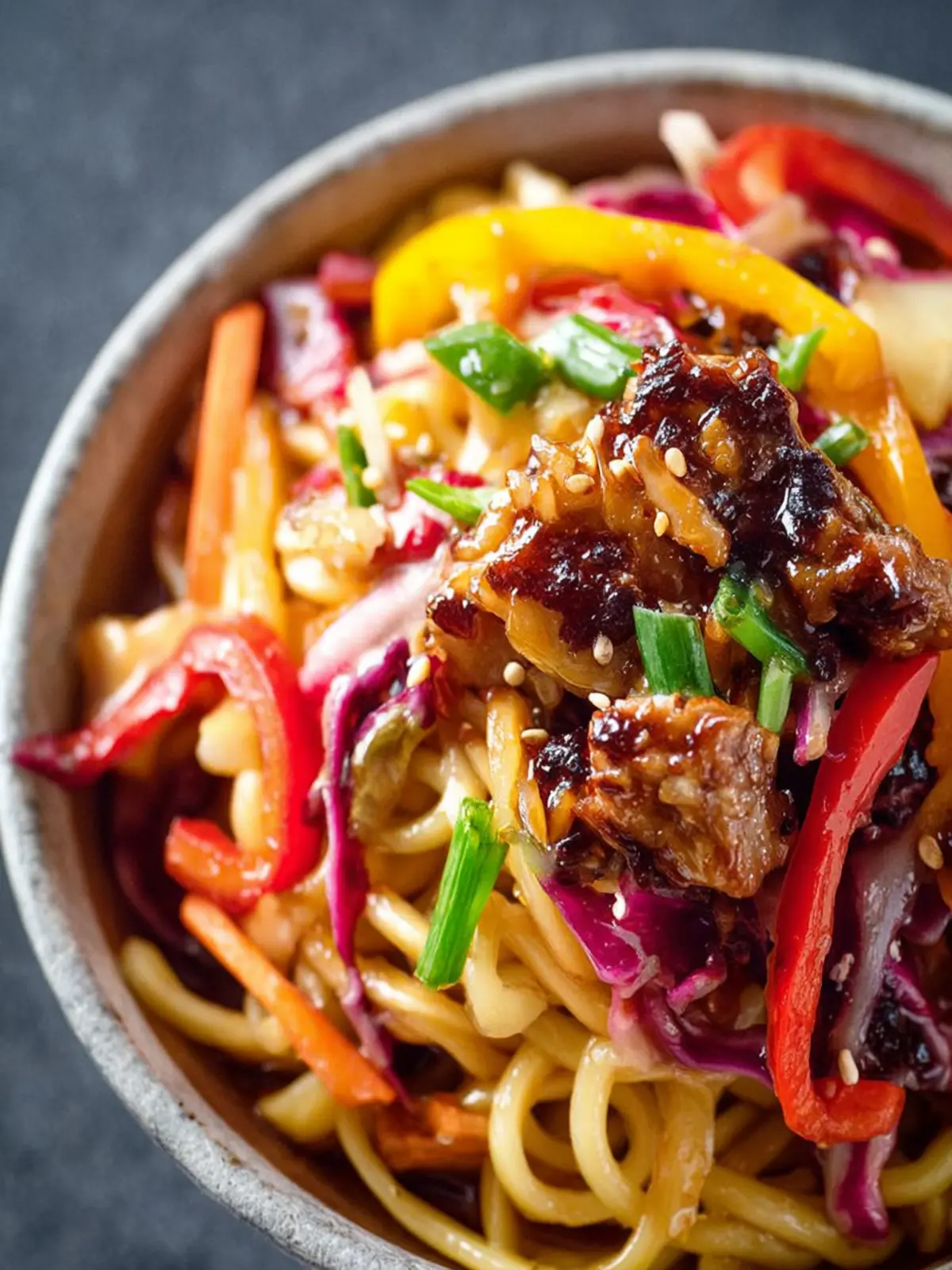
Kung Pao Noodles: Easy, Bold Flavors That Transform Dinner

Introduction to Kung Pao Noodles
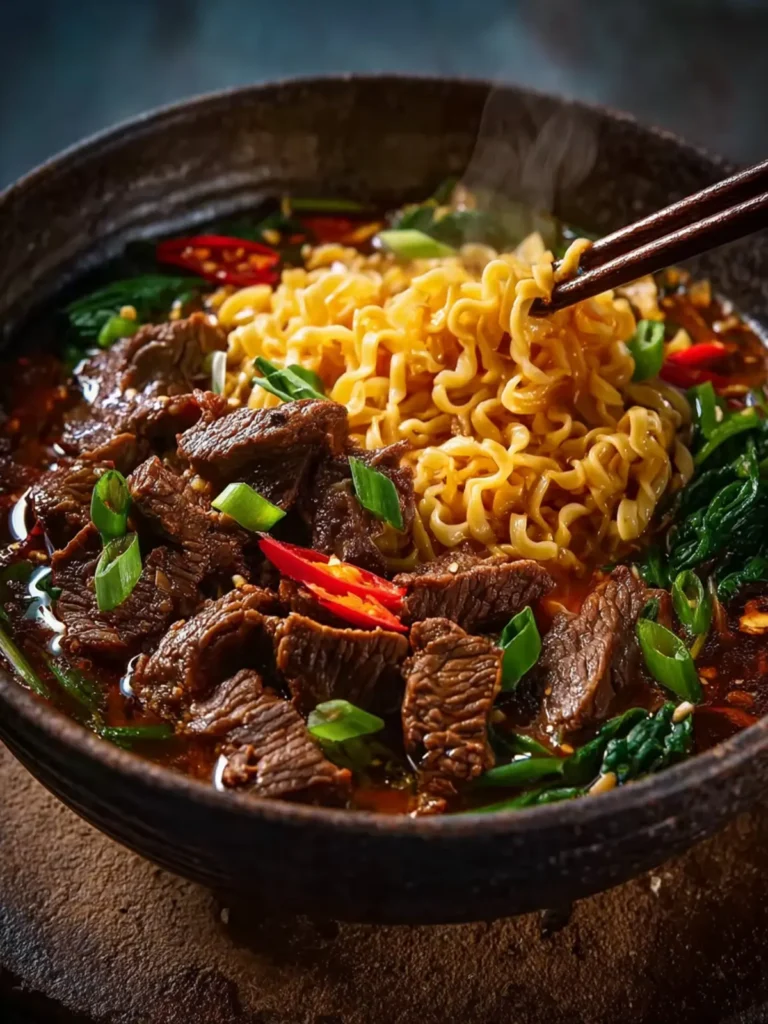
Imagine a comforting bowl of Kung Pao Noodles, where the vibrant colors and incredible flavors transport you straight to a bustling street market in Sichuan, China. This dish harmoniously blends the earthy heat of chili peppers, the crunch of peanuts, and the aromatic kiss of garlic and ginger, creating a culinary experience that is both satisfying and invigorating.
Creating this delectable dish at home not only allows you to indulge in rich flavors but also to control the ingredients you use, ensuring a meal that is as healthy as it is delicious. Kung Pao Noodles cater to a variety of tastes, be it vegetarian, vegan, or omnivorous. This recipe is a celebration of bold flavors and varied textures, making it perfect for busy weeknights or as a showstopper for your next dinner party.
What makes Kung Pao Noodles so special?
The magic of Kung Pao Noodles lies in their unique combination of flavors and textures. Here are some key highlights:
-
Flavor Profile: The sweet, spicy, and savory notes come together brilliantly. The combination of soy sauce, rice vinegar, and hoisin sauce provides depth, while Sichuan peppercorns add a unique numbing sensation that balances the heat from dried chilies.
-
Ingredient Versatility: This dish can easily be customized to suit your preferences. Whether you opt for chicken, shrimp, or a medley of seasonal vegetables, the basic flavor base remains unchanged, allowing for endless variations.
-
Nutty Crunch: One standout feature is the addition of peanuts, which brings a delightful crunch that complements the soft noodles perfectly. Not only do they add texture, but they also provide healthy fats and protein, making the meal more satisfying.
-
Quick and Easy: Perfect for busy lifestyles, Kung Pao Noodles can be prepared in under 30 minutes. With a handful of ingredients and a single pan, you can whip up a dish that looks and tastes like it took hours to create.
Overall, Kung Pao Noodles embody the spirit of modern cooking: quick, flavorful, and adaptable. So gather your ingredients, and let’s dive into this delightful culinary adventure!
Key Ingredients for Kung Pao Noodles
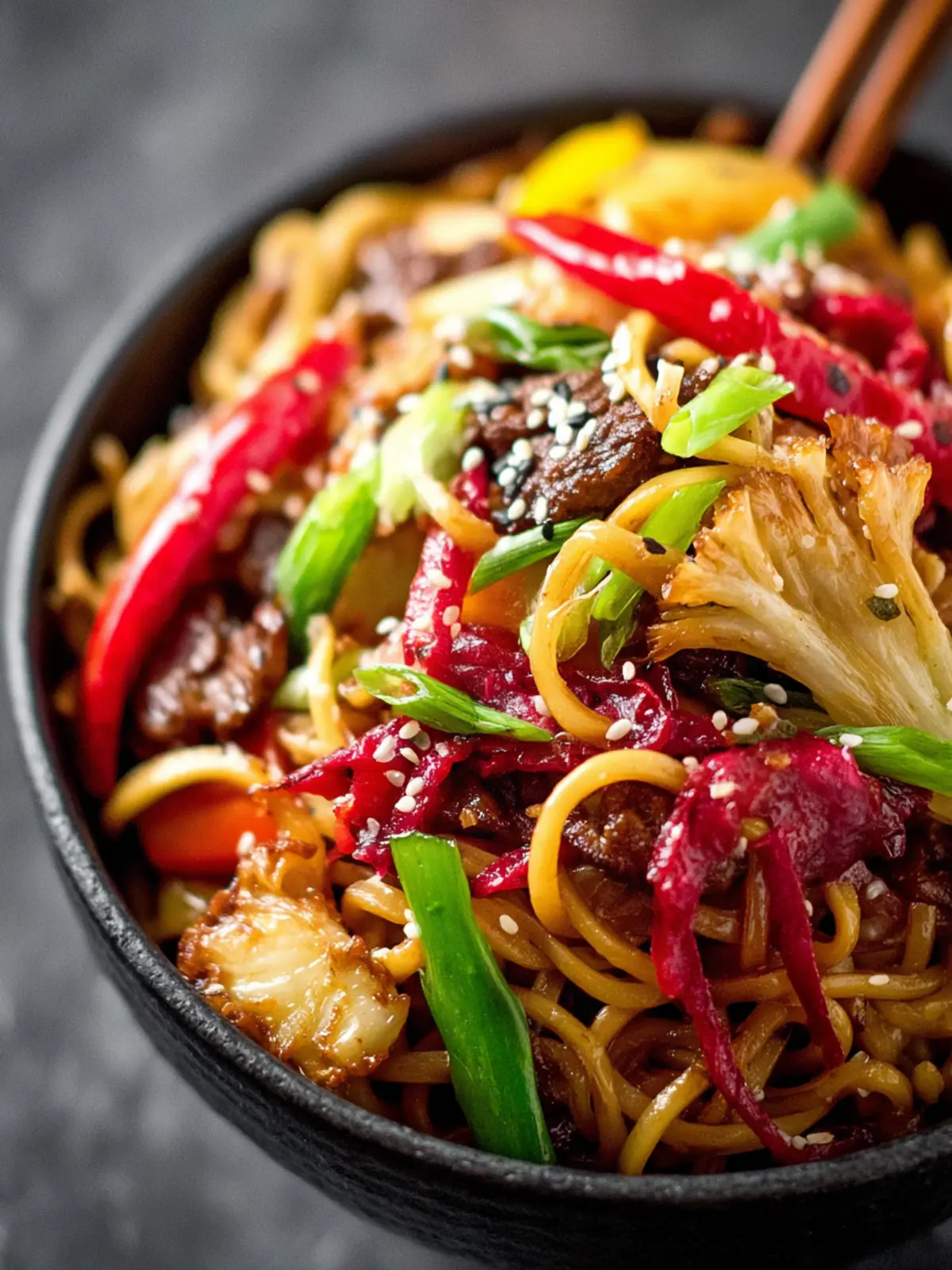
Crafting the perfect Kung Pao Noodles is an adventure in flavor, and the right ingredients make all the difference. Here’s a breakdown of what you’ll need to create this irresistible dish.
-
Noodles: I recommend using thick egg noodles or chow mein. They have the right balance of chewiness to absorb the rich flavors of the sauce. If you prefer a gluten-free option, rice noodles work beautifully too!
-
Chicken: Tender chicken breast strips marinated for a bit in soy sauce bring a mouthwatering depth to the dish. The marination not only enhances the flavor but also keeps the chicken juicy throughout the cooking process.
-
Bell Peppers: A mix of red and green bell peppers adds both color and a sweet crunch. They also complement the spicy elements in the dish perfectly!
-
Peanuts: Don’t skip these! Coarsely chopped peanuts provide a satisfying crunch and nutty flavor that’s essential for the authentic Kung Pao experience.
-
Spices: A combination of Sichuan peppercorns and dried red chilies gives the dish its kick. If you enjoy heat, feel free to adjust the amount to suit your taste.
-
Sauce: A mix of soy sauce, hoisin sauce, sesame oil, and vinegar creates a rich, sticky sauce that coats every bite in mouthwatering goodness.
By thoughtfully selecting these ingredients, your Kung Pao Noodles will not only look stunning but taste absolutely divine!
Why You’ll Love This Kung Pao Noodles
The moment you take your first bite of these Kung Pao Noodles, you’ll understand why this dish quickly becomes a favorite in your culinary repertoire. This isn’t just another noodle dish; it’s an incredible fusion of textures and flavors that will elevate your weeknight dinners.
Bold Flavors You Can’t Resist
The Kung Pao Noodles are infused with a delightful mix of spicy, savory, and nutty flavors. Each bite packs a punch thanks to the rich sauce flavored with soy sauce, garlic, and a hint of spice from the Szechuan peppercorns. Who knew dinner could be this exciting?
Satisfying and Wholesome
Imagine indulging in a bowl of noodles that not only satisfy your taste buds but also keep you feeling full and energized. The addition of colorful vegetables like bell peppers, broccoli, and carrots ensures that you’re not skimping on nutrition. It’s like treating yourself while still being health-conscious!
Quick and Easy Preparation
One of the main reasons you’ll love this dish is how effortlessly it comes together. In less than 30 minutes, you can whip up a hearty meal that tastes like it came from your favorite Asian bistro. Perfect for busy weeknights or impromptu gatherings with friends, these Kung Pao Noodles will be your go-to option.
In short, once you try these Kung Pao Noodles, they’ll have a permanent place in your dinner rotation!
Variations of Kung Pao Noodles
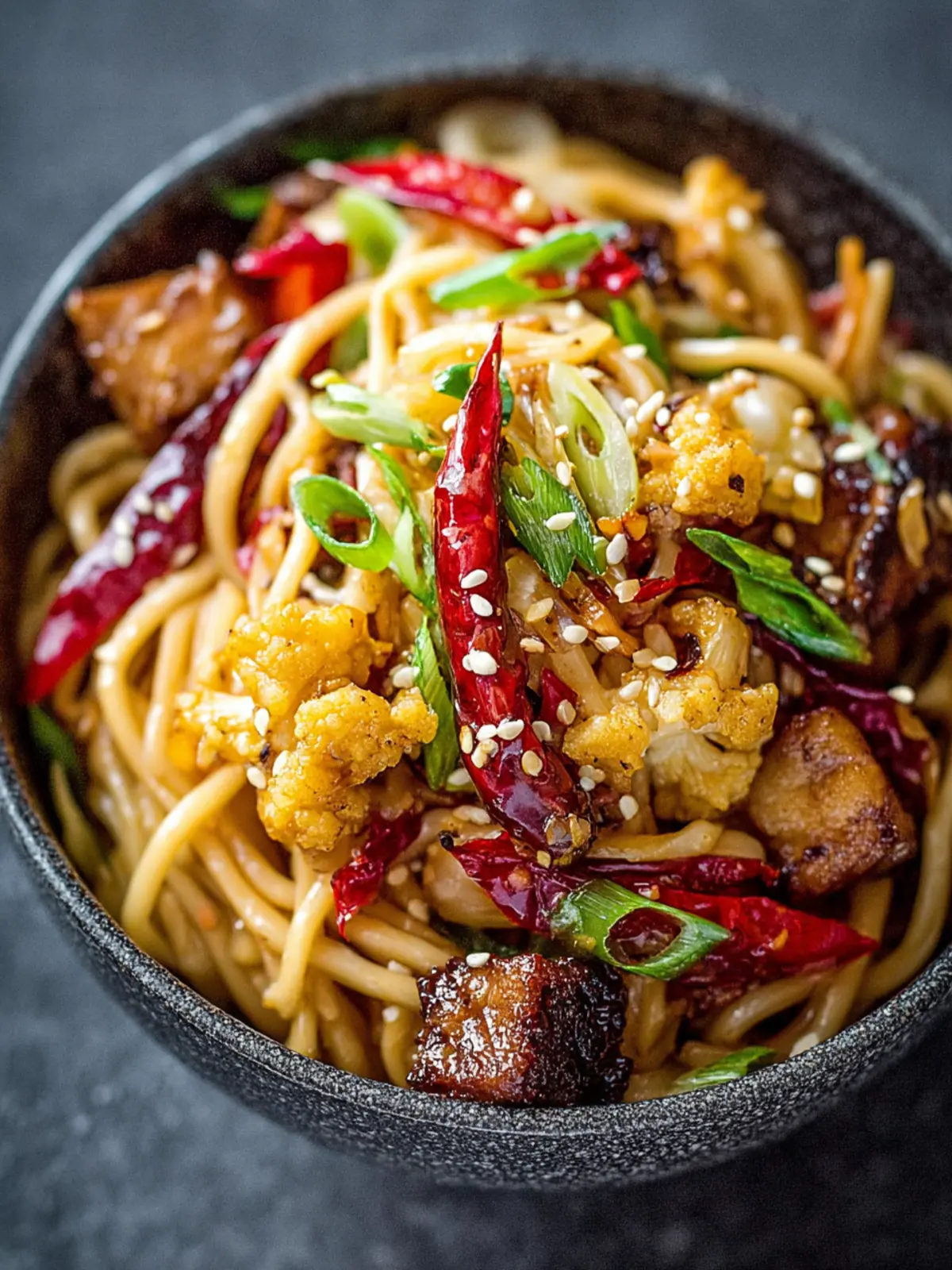
Exploring the world of Kung Pao Noodles offers an exciting opportunity to personalize this delightful dish to your taste. Think about those extravagant nights when you craved a little spice and flair in your meals. Let’s dive into some thrilling variations that elevate the traditional recipe.
Protein Options
- Chicken or Turkey: If you love a classic taste, swapping out veggies for cubed chicken or turkey provides a lean protein boost that pairs beautifully with the sauce.
- Beef or Pork: For a heartier meal, consider thinly sliced beef or pork. The richness of these meats contrasts nicely with the zingy flavors in the dish.
- Tofu: If you’re plant-based, firm tofu marinated in soy sauce can absorb all the delicious flavors, giving you a satisfying and protein-rich alternative.
Vegetable Medleys
- Bell Peppers and Broccoli: Incorporate colorful bell peppers and crispy broccoli for a crunch that balances the dish’s texture.
- Mushrooms: For an earthy flavor, add shiitake or button mushrooms, which absorb the sauce wholeheartedly and add depth.
Noodle Variations
- Rice Noodles: If you’re feeling adventurous, try rice noodles for a gluten-free option. They bring a different texture that beautifully blends with the Kung Pao sauce.
- Whole Wheat Noodles: For a healthier spin, whole wheat noodles offer extra fiber while maintaining that fullness we associate with classic Kung Pao Noodles.
Saucing It Up
Experimenting with the sauce can take your dish to new heights. Consider adding peanut butter for creaminess or extra heat from chili paste to really kick things up a notch.
Exploring these variations not only keeps your Kung Pao Noodles exciting but also allows you to cater to diverse preferences, perfect for those casual dinners or celebratory feasts!
Cooking Tips and Notes for Kung Pao Noodles
Creating the perfect kung pao noodles is all about balancing flavors and textures. Here are some tips to elevate your dish and make it truly unforgettable.
Choose the Right Noodles
Opt for dry egg noodles or rice noodles, as they soak up the savory sauce beautifully. If you prefer a gluten-free option, rice noodles are an excellent choice. Always cook the noodles al dente, as they’ll continue to soften when mixed with the sauce.
Flavor with Fresh Vegetables
Incorporating a variety of vegetables not only adds color but also enhances the taste. Bell peppers, green onions, and snap peas are favorites. Don’t forget to toss them in the hot oil briefly before adding the sauce; this step helps to release their natural flavors.
Master the Sauce
The sauce is what makes kung pao noodles distinctive. Use low-sodium soy sauce to control the saltiness, and don’t skimp on the garlic and ginger. A hint of sesame oil at the end adds a fragrant finish. For a vegetarian version, consider using mushroom-based soy sauce.
Garnish with Toasted Peanuts
Top your dish with toasted peanuts or cashews for a delightful crunch. This adds not just texture but also a nutty flavor that complements the dish beautifully.
Experiment with Protein
While traditional recipes use chicken, don’t hesitate to try shrimp, tofu, or even a medley of mushrooms. Each protein brings a different flavor profile that can change the entire dish, providing endless options for creativity!
With these tips in hand, you’ll be ready to impress everyone at your dinner table with your homemade kung pao noodles. Happy cooking!
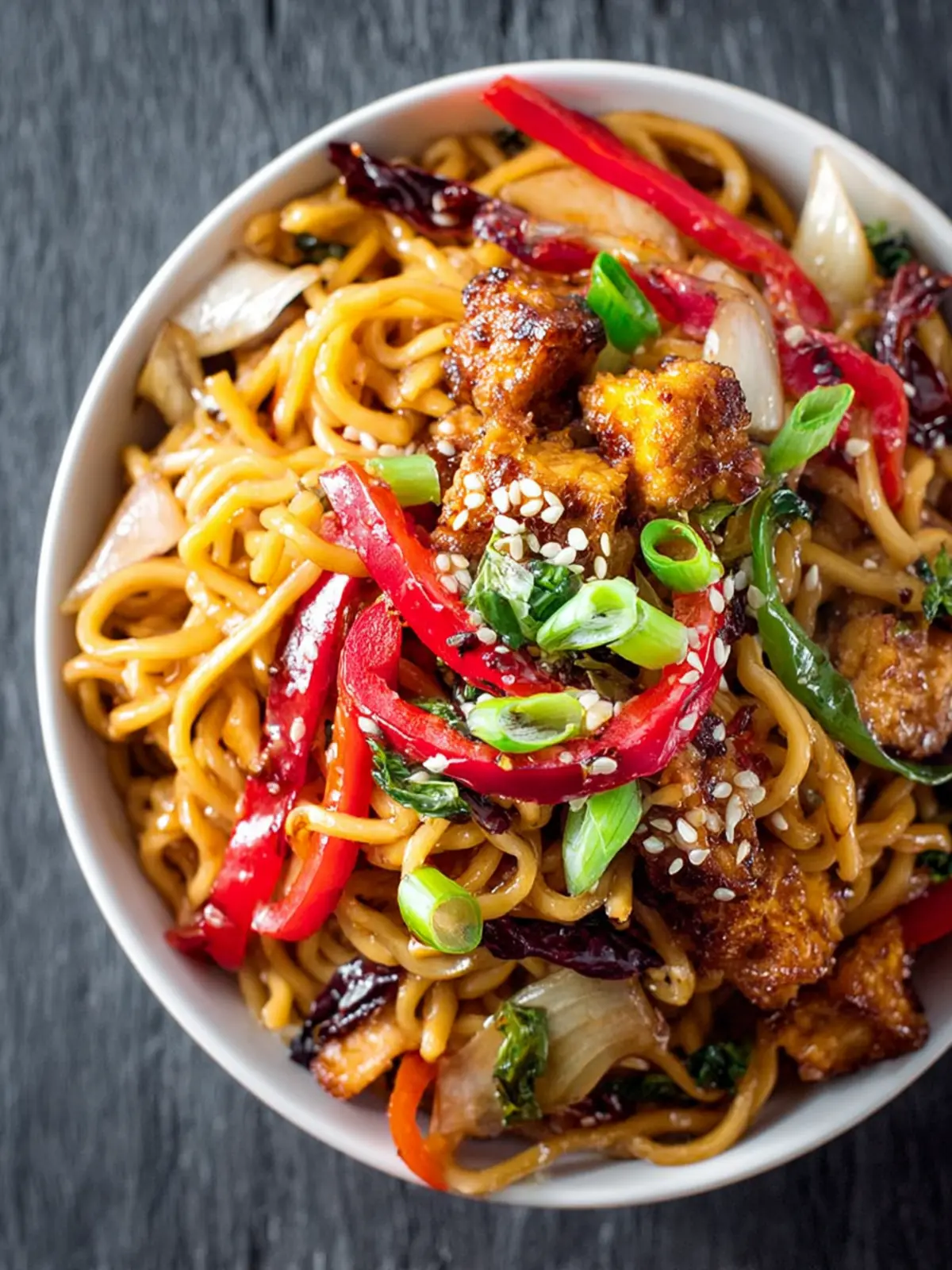
Serving Suggestions for Kung Pao Noodles
Crafting the perfect bowl of kung pao noodles opens up a world of delightful serving possibilities that can elevate your dining experience. A satisfying mix of flavor and texture, these noodles shine when paired with complementary sides and garnishes.
Fresh Garnishes
- Chopped Green Onions: Adding a sprinkle of freshly chopped green onions not only boosts the flavor but also brings a vibrant pop of color.
- Cilantro: For those who enjoy a fresh herbaceous note, a handful of cilantro can completely transform the dish.
- Crushed Peanuts: Top your noodles with extra crushed peanuts for a satisfying crunch that enhances the nutty undertones of the dish.
Perfect Pairings
- Steamed Broccoli or Bok Choy: A side of lightly steamed broccoli or bok choy contrasts the rich flavors of kung pao noodles with a crisp freshness.
- Soup: A light miso or wonton soup serves as a comforting start, keeping your meal balanced and enhancing the overall experience.
These serving suggestions can turn a simple dish into a memorable meal, perfect for impressing friends or enjoying a cozy night in. How will you serve your kung pao noodles tonight?
Time Breakdown for Kung Pao Noodles
Creating the perfect plate of Kung Pao Noodles doesn’t have to be a time-consuming endeavor. In fact, understanding how to break down your time effectively is key to a smooth cooking experience.
Preparation Time
Getting everything ready is crucial for success. For this recipe, I’m talking about a prep time of around 15 minutes—just enough time to chop your vegetables and marinate your protein. This step sets you up for a quick cook later on!
Cooking Time
Once you’re prepped, the actual cooking process is a breeze. You’ll spend about 15 minutes at the stove, sautéing and stirring all those delicious ingredients together. In no time, your kitchen will be filled with mouth-watering aromas.
Total Time
All in all, when you combine preparation and cooking, you’re looking at a total time of about 30 minutes. That’s the equivalent of a quick lunch break, making Kung Pao Noodles a fantastic option for busy weeknights!
Nutritional Facts for Kung Pao Noodles
Creating your own delightful Kung Pao Noodles at home doesn’t just tantalize your taste buds; it can also nourish your body. Knowing the nutritional breakdown of this dish can help you make informed choices while enjoying its hearty flavors.
Calories
In a typical serving of Kung Pao Noodles, you’ll find approximately 450 calories. This makes it a satisfying meal that won’t tip the scales when prepared with wholesome ingredients.
Protein
Packed with flavor and protein, a serving contains around 12 grams. This is great for those keeping an eye on their protein intake while indulging in a delightful Asian-inspired meal.
Sodium
Be mindful of your sodium! With approximately 900 milligrams per serving, this dish can be on the saltier side. You can always adjust the soy sauce to reduce sodium, ensuring a balance between flavor and health.
Enjoy your culinary adventure with Kung Pao Noodles, where taste meets nutrition!
FAQs about Kung Pao Noodles
Kung Pao Noodles, with their delightful balance of flavors and textures, have a way of turning dinner into a delightful experience. If you’re curious about adapting this dish or making it fit your dietary preferences, you’re in the right place. Here are some frequently asked questions about this beloved recipe.
Can I make Kung Pao Noodles vegan?
Absolutely! Transforming Kung Pao Noodles into a vegan dish is both simple and delicious. Instead of traditional chicken or beef, you can use tofu, tempeh, or a medley of your favorite veggies for that satisfying bite. Make sure to choose a plant-based substitute for the sauce, like soy sauce or hoisin sauce, to maintain that rich flavor profile.
What can I substitute for fish sauce?
If fish sauce isn’t in your pantry or you prefer a vegetarian alternative, there are several substitutions that work well. A mixture of soy sauce and a bit of lime juice can mimic that umami flavor. Alternatively, try using mushroom sauce or a homemade vegan fish sauce made from seaweed and soy sauce for a similar taste that complements Kung Pao Noodles perfectly.
How can I customize the spice level?
The beauty of Kung Pao Noodles lies in its versatility, especially regarding spice! If you crave a milder dish, reduce the amount of dried chili peppers or opt for sweet bell peppers instead. For a spicier kick, increase the quantity of chili paste or sprinkle in some crushed red pepper flakes. Tailor it to your preference to find that delightful balance that makes your taste buds dance!
Conclusion on Kung Pao Noodles
In the world of comforting meals, Kung Pao Noodles stand out with their perfect blend of flavors and textures. This dish not only delivers a delightful crunch from fresh vegetables and peanuts but also offers a satisfying warmth from the spicy sauce. Making it at home allows you to tailor the heat levels to your taste, ensuring every bite is a joy. As you savor this dish, think of gatherings with friends or cozy nights in, where flavorful meals elevate the experience. Don’t hesitate—bring the taste of Kung Pao Noodles into your kitchen and enjoy a delightful culinary adventure!
Print
Kung Pao Chicken with Noodles
- Total Time: 35 minutes
- Yield: 4 servings 1x
- Diet: Gluten-free (if using gluten-free noodles)
Description
A delicious stir-fry recipe that combines chicken, vegetables, and noodles in a flavorful Kung Pao sauce.
Ingredients
Scale
- 8 ounces noodles: Chinese egg noodles, ramen noodles, rice noodles, soba noodles, linguini, or rice
- 1 pound chicken (or sub crispy tofu or roasted cauliflower)
- ½ teaspoon salt
- ½ teaspoon sugar
- 1 ½ tablespoons corn starch
- 1–3 tablespoons peanut oil, coconut or vegetable oil for frying – optional
- 1 red bell pepper
- 6–8 dry red chilies
- 1 large shallot, diced
- 1 ½ tablespoons chopped ginger
- 1 ½ tablespoons chopped garlic
- 2 tablespoons water
- 2 teaspoons fish sauce (or vegan fish sauce, or soy sauce)
- 1 tablespoon soy sauce (or liquid amino acids)
- 1 tablespoon oyster sauce
- 1 tablespoon rice vinegar (black vinegar if you have it)
- 1 tablespoon honey, or sugar
- 1 tablespoon garlic chili paste (Sambal chili paste)
Instructions
- If making noodles or rice, cook according to package directions. Cut chicken into ½-inch cubes and place in a bowl. Add the salt, sugar, and cornstarch to the chicken and toss. If using cauliflower, roast cauliflower florets in a 425°F oven for 25-30 minutes with olive oil, salt, and pepper.
- Thinly slice the red bell pepper. Measure all the condiments (water, soy, fish sauce, oyster sauce, vinegar, honey, and garlic chili paste) in a small bowl and stir until combined.
- Heat oil in a wok over medium-high heat, brown the chicken for about 5 minutes, then place it on a plate lined with paper towels.
- Wipe out the wok, add 1-2 tablespoons of oil, and heat over medium heat. Sear the red bell pepper until tender and slightly charred, about 3-4 minutes. Lower heat and add shallot, ginger, and garlic, stirring until fragrant and golden, about 3-4 minutes.
- Add dried chilies and cook for 1 minute. Add the Kung Pao sauce, bring to a simmer, then add the cooked chicken back in and toss.
- Add the cooked noodles to the wok and sear for another minute or two. Serve topped with roasted peanuts and sliced scallions.
Notes
- For a vegetarian version, substitute chicken with crispy tofu or roasted cauliflower.
- Adjust the quantity of dry red chilies to your spice preference.
- For a sweeter sauce, you may increase honey or sugar as desired.
- Ensure to keep the wok hot for best searing results.
- Prep Time: 15 minutes
- Cook Time: 20 minutes
- Category: Dinner
- Method: Stir-fry
- Cuisine: Chinese
Nutrition
- Serving Size: 1 serving
- Calories: 450
- Sugar: 8g
- Sodium: 900mg
- Fat: 20g
- Saturated Fat: 3g
- Unsaturated Fat: 15g
- Trans Fat: 0g
- Carbohydrates: 50g
- Fiber: 3g
- Protein: 30g
- Cholesterol: 70mg