
Follow Me On Social Media!
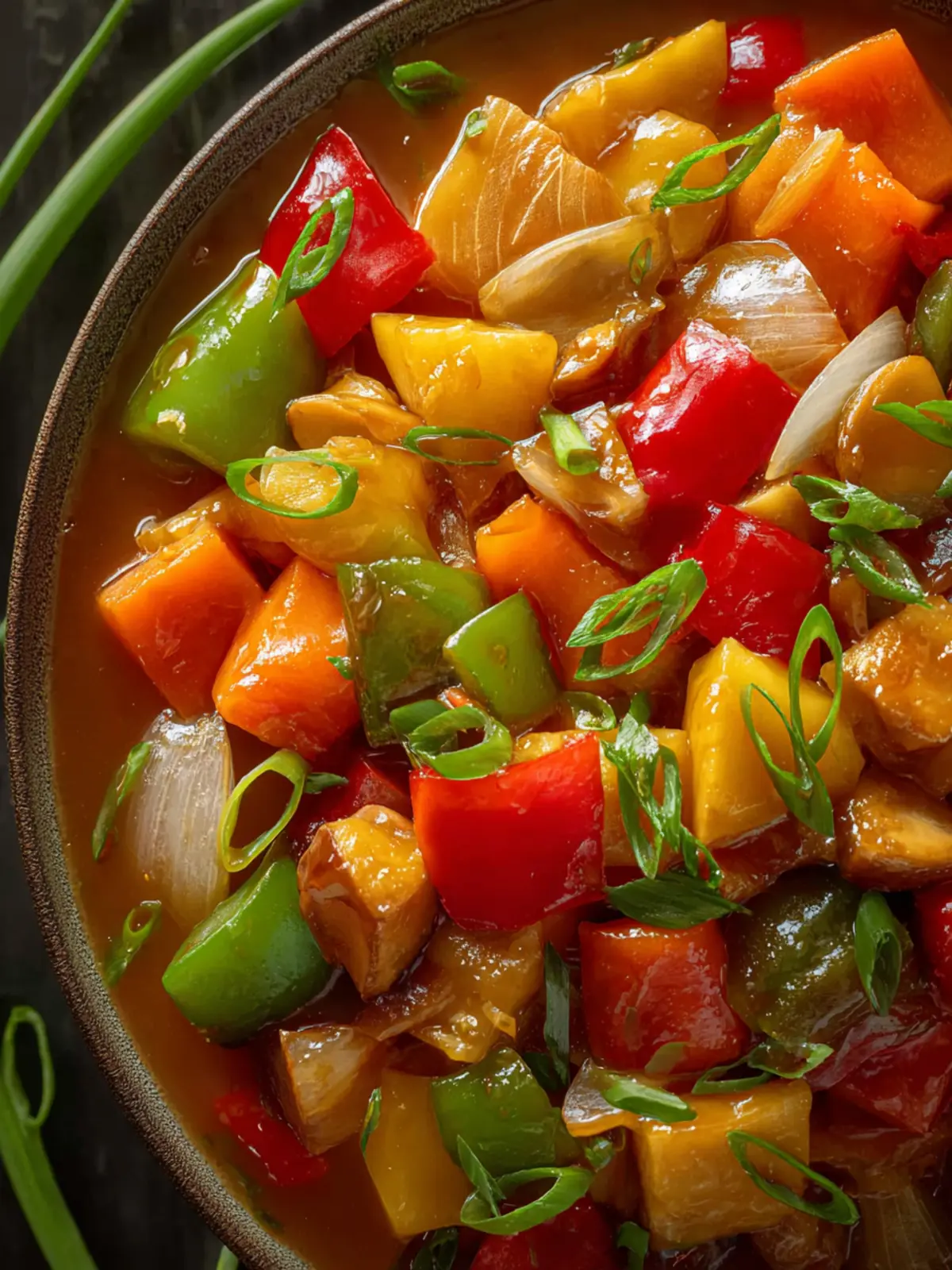
Sweet and Sour Vegetables: The Best Homemade Delight!

Introduction to Sweet and Sour Vegetables
Imagine taking a bite of a dish where vibrant vegetables harmonize with a tangy, sweet glaze, transforming even the simplest ingredients into an extraordinary feast. This is the magic of sweet and sour vegetables. The contrasting flavors come together to create a colorful plate that’s not only visually appealing but also offers a delightful explosion of taste with every bite.
For many of us busy professionals, sweet and sour vegetables can quickly become a go-to dish for weeknight dinners or hearty lunches. It’s incredibly versatile, allowing easy customization with whatever veggies you have on hand. Bell peppers, snap peas, and carrots bring a crisp texture, while broccoli adds a unique earthy note. Whether you’re trying to eat more veggies or seeking a comforting side, this dish provides satisfaction in a colorful package.
But why does this combination work so well? The sweetness typically comes from ingredients like pineapple, brown sugar, or honey, balancing the acidity from vinegar or citrus. This duality not only tantalizes the taste buds but also makes vegetables more enticing—even for picky eaters. Think of it as a clever trick to lure everyone at the table into enjoying their greens.
In recent years, health trends have surged that promote plant-based diets. Home cooks are excited to incorporate more vegetables into their meals, and sweet and sour vegetables perfectly fit the bill. Not only are they low in calories and high in essential nutrients, but they also deliver comfort and nostalgia through flavors often associated with beloved takeout dishes. Imagine serving a healthier version of a classic Chinese dish that anyone can make in just under 30 minutes—what’s not to love?
Let’s dive into this delicious recipe, where we will explore fresh ingredients and simple steps that will help elevate your home-cooked meals to new heights. Prepare your taste buds for a delightful journey!
Key Ingredients for Sweet and Sour Vegetables
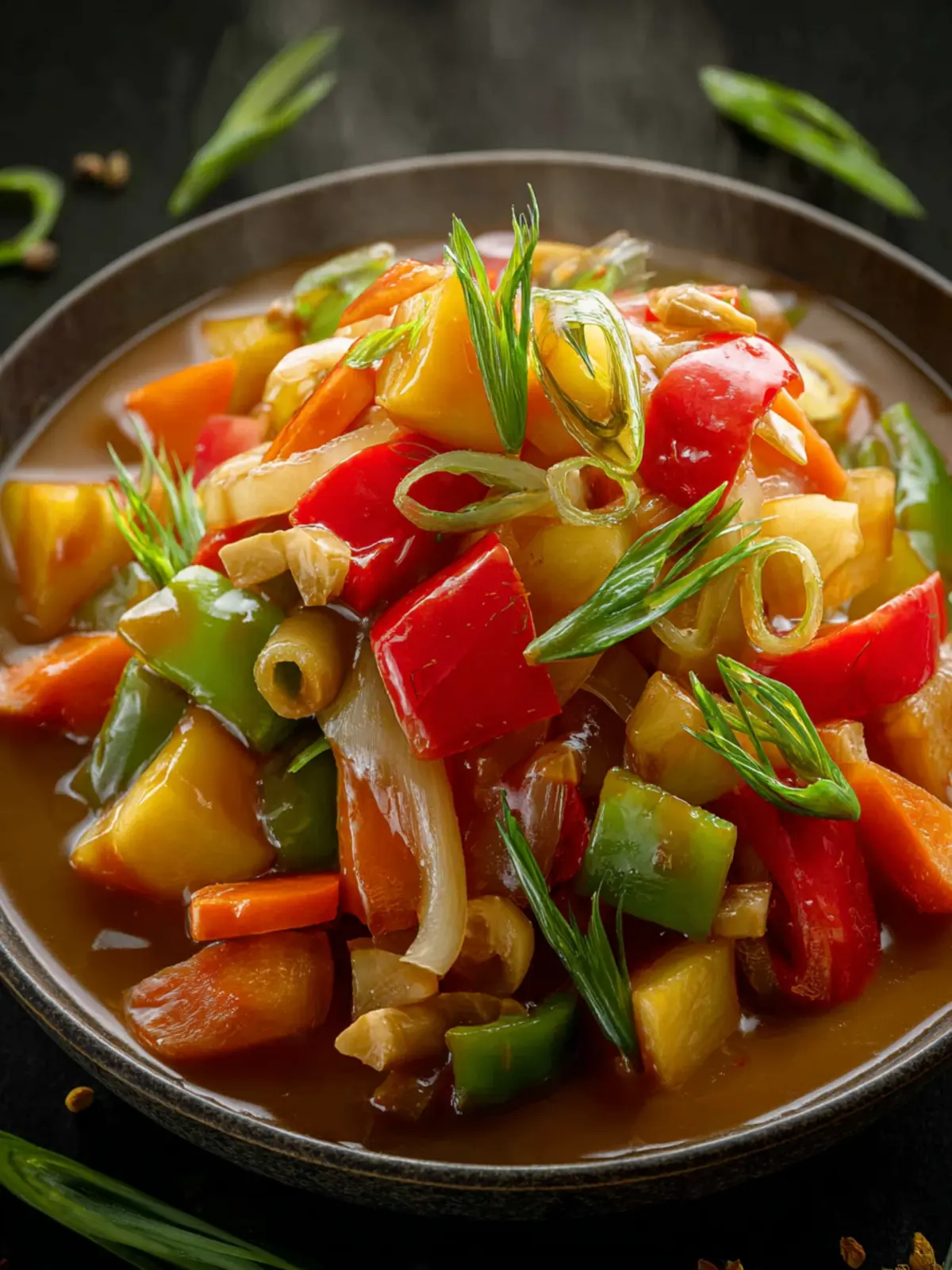
Creating sweet and sour vegetables is an art that combines vibrant colors and lively flavors. A delightful mix of fresh produce brings this dish to life, transforming ordinary meals into extraordinary ones.
-
Bell Peppers: These crunchy gems are essential for adding a pop of color and a hint of sweetness. Whether you choose red, yellow, or green, they provide a refreshing contrast to the tangy sauce.
-
Pineapple: Fresh pineapple adds that signature sweetness which balances beautifully with the tartness of vinegar. If fresh isn’t available, opt for canned pineapple packed in juice for a quick and easy alternative.
-
Carrots: Sweet and tender carrots are perfect for adding texture. When sliced thin, they cook quickly while retaining their crunch, making each bite satisfying.
-
Onion: A bit of onion provides depth to the flavor profile. Sweet onions, like Vidalia, can infuse your dish with natural sweetness while regular yellow onions offer a robust taste.
-
Garlic: Don’t forget about garlic! It takes the flavor up a notch, bringing warmth and richness that enhances the overall taste of your sweet and sour vegetables.
Combining these key ingredients will turn a simple vegetable medley into a tantalizing dish that is as colorful as it is delicious!
Why You’ll Love This Recipe
Sweet and sour vegetables are not just a colorful addition to your plate; they embody a vibrant culinary experience that awakens your taste buds and elevates your everyday meals. Imagine walking through a bustling Asian market, the air filled with the mouthwatering aroma of sizzling veggies tossed in a tangy sauce. Bringing that essence into your kitchen, this recipe allows you to recreate that tantalizing flavor with simple ingredients and minimal effort.
One of the best things about sweet and sour vegetables is their versatility. Whether paired with your favorite protein or enjoyed solo as a light meal, this dish caters to every palate. The balance of sweetness from the vegetables and the tang of the sauce strikes a perfect harmony that even picky eaters will love. What’s more, it’s a fantastic way to sneak in essential nutrients while pleasing the whole family.
Preparing this dish is not just about cooking; it’s about crafting an experience. You’ll feel accomplished as you sauté, stir-fry, and create a dish that is as visually appealing as it is delicious. With this recipe, you’ll discover a delightful blend of flavors that will have you coming back for seconds, and possibly thirds! Enjoy the journey of cooking sweet and sour vegetables—your taste buds will thank you.
Variations of Sweet and Sour Vegetables
Exploring sweet and sour vegetables opens a world of vibrant flavors and textures that can make any meal exciting. You might find yourself experimenting with different combinations that suit your taste buds perfectly.
Colorful Combinations
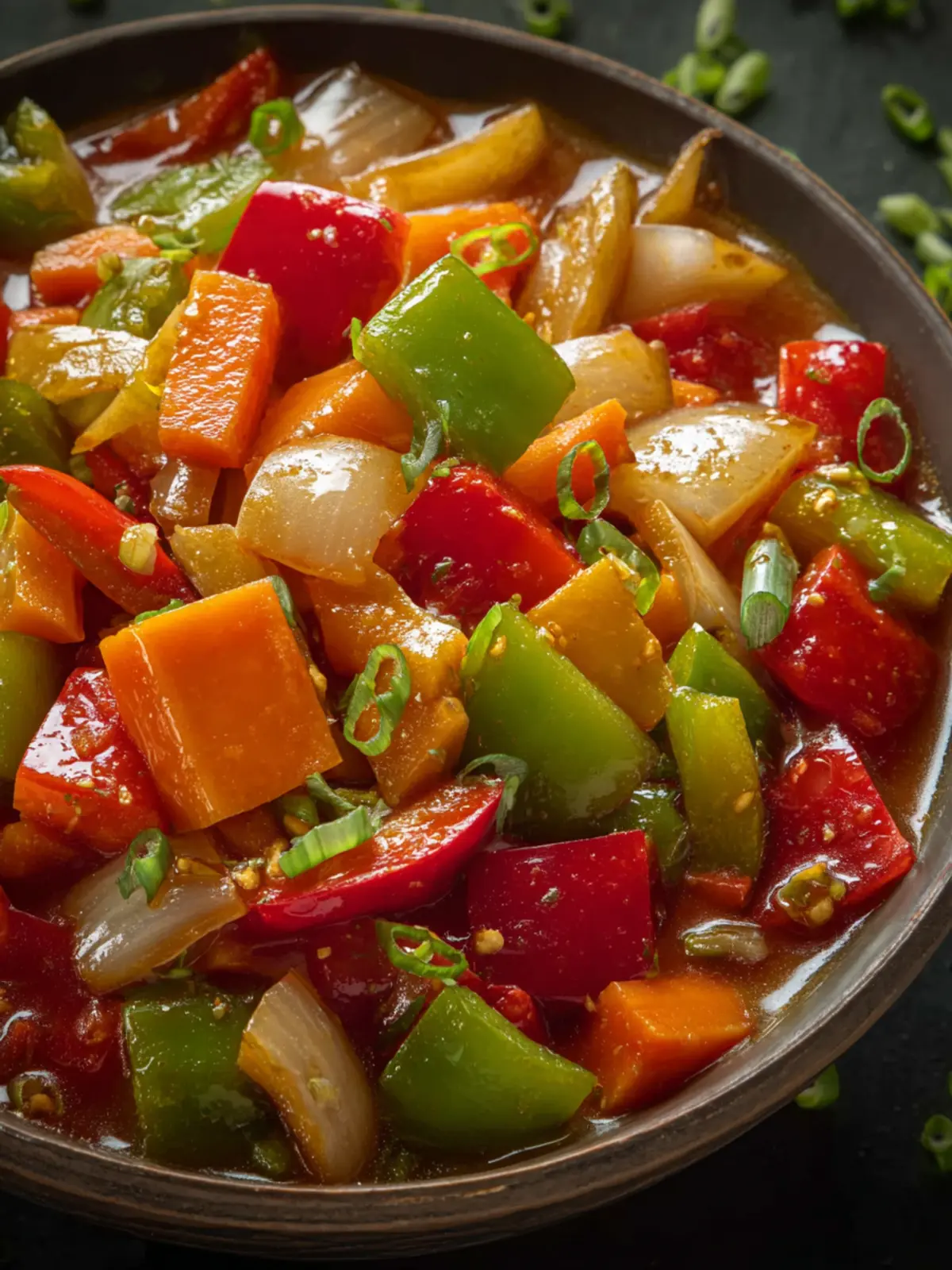
One approach is to mix various colorful vegetables. Think bell peppers, carrots, snap peas, and red onions. Each vegetable contributes its unique sweetness or crunch, creating a beautiful plate that tempts the eyes as well as the palate.
Fruit Infusions
Consider adding fruits for an unexpected twist. Pineapple or mango can elevate your dish by offering bursts of juicy sweetness that play delightfully against the tangy elements. Not only do these fruits add flavor, but they also bring additional nutrients to the table!
Different Sauces
Varying the sauce can also give your sweet and sour vegetables a new life. While traditional recipes use a vinegar-based sauce, try citrus juices like orange or lemon for a fresh twist. Alternatively, Asian-inspired sauces with soy sauce and ginger could also commend that sweet-savory balance.
Cooking Methods
Lastly, experiment with cooking techniques. Stir-frying, roasting, or even grilling can alter the flavor profiles of your vegetables dramatically. For instance, roasting caramelizes the natural sugars, enhancing the dish’s sweetness while lending a lovely char.
With these clever variations, your journey into sweet and sour vegetables will always be fresh and inspiring!
Cooking Tips and Notes
Creating sweet and sour vegetables is not just about tossing ingredients together; it’s all about bringing out the best flavors while ensuring the textures remain delightful. Here are some handy tips to elevate your dish to the next level!
Fresh Ingredients Matter
Using fresh vegetables will enhance the overall flavor and texture of your sweet and sour vegetables. Look for vibrant bell peppers, crisp carrots, and crunchy snow peas. If you can, visit a local farmer’s market for the freshest picks, as they often have more flavor than store-bought options.
Play with the Sauce
The key to that classic sweet and sour vegetables flavor lies in balancing sugar, vinegar, and seasoning. Feel free to experiment with the sugar—brown sugar can add a deeper flavor, while honey might lend a floral note. Adding a splash of soy sauce or garlic can give it an unexpected twist that compliments the sweetness.
Cut Uniformly
For a visually appealing dish, ensure that all your vegetables are cut uniformly. This ensures even cooking and a beautiful presentation. Nobody wants a crunchy carrot amidst soft bell peppers.
Stay Alert while Stir-frying
When stir-frying, keep your vegetables moving in the pan. This prevents burning and allows every piece to soak in that delicious sauce. Just a few minutes over high heat is all you need to achieve that perfect tender-crisp texture.
Garnish for Appeal
Don’t underestimate the power of garnishing! A sprinkle of sesame seeds or some chopped scallions can add a pop of color and extra flavor that will impress your guests.
With these tips, you’ll create delightful sweet and sour vegetables that will not only please your palate but also look stunning on your dinner table. Happy cooking!
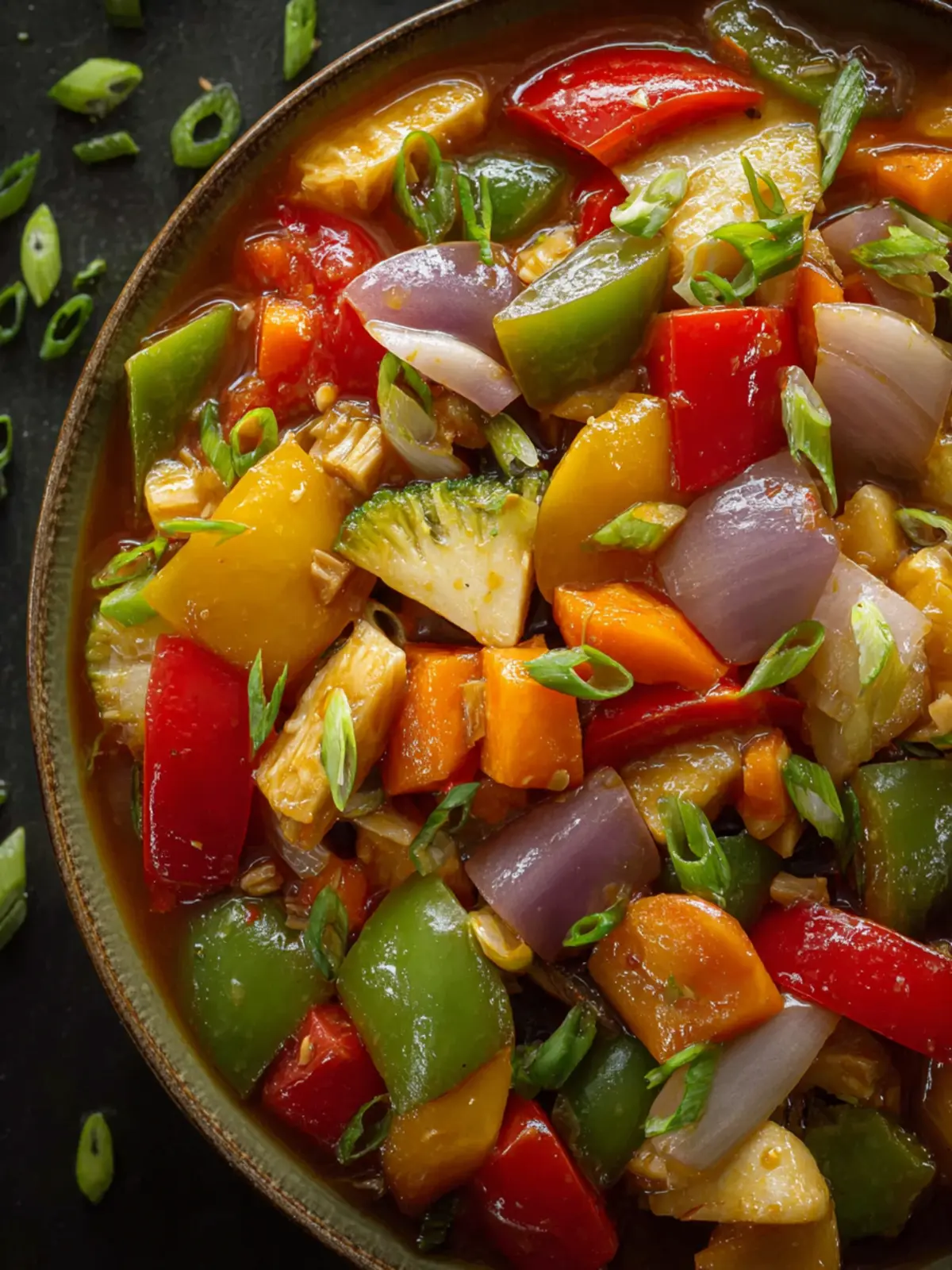
Serving Suggestions for Sweet and Sour Vegetables
Serving sweet and sour vegetables is all about elevating their vibrant, tangy essence to create a delightful dining experience. If you think of the last time you enjoyed a colorful, flavorful dish that left a lasting impression, it’s clear that presentation can make all the difference.
Complement with Grains or Protein
Consider pairing your sweet and sour vegetables with a side of jasmine rice or quinoa. The fluffy grains soak up the delightful sauce, balancing out the tangy flavors. If you want to add some protein, grilled chicken, shrimp, or tofu works perfectly. This combination not only enhances the meal’s flavor but also rounds it out nutritionally.
Garnish for Extra Flair
To make your dish visually appealing, garnish with fresh herbs like cilantro or green onions before serving. A sprinkle of sesame seeds can also add a lovely crunch and a nutty flavor, inviting your guests to dive right in.
Perfect as a Stand-Alone Dish
Interestingly, sweet and sour vegetables shine as a standalone dish too! Serve them warm on their own or with a side of crispy spring rolls for a delightful vegetarian or vegan option.
Meal Prep and Leftover Ideas
If you’re making this dish in advance, the flavors deepen over time. Store leftovers in a container, and reheat them for a quick, satisfying meal during your busy week. The tangy elements will still entice your taste buds, making your meal feel freshly prepared!
Time Breakdown for Sweet and Sour Vegetables
When making sweet and sour vegetables, understanding your time commitment can elevate your cooking experience from hurried to delightful. Here’s how the time breaks down for this vibrant dish:
Preparation Time
Getting your ingredients ready doesn’t take long. You’ll spend about 15 minutes washing, chopping, and measuring your bell peppers, onions, and any other ingredients you choose.
Cooking Time
Once everything is prepped, the cooking process is quick and efficient. In just 20 minutes, you’ll sauté the vegetables and bring them together with the sweet and tangy sauce to create that irresistible flavor profile.
Total Time
All in all, you’ll need around 35 minutes from start to finish to serve your delicious sweet and sour vegetables. It’s an ideal recipe for a busy weeknight meal!
Nutritional Facts for Sweet and Sour Vegetables
When it comes to keeping your meals both satisfying and nutritious, sweet and sour vegetables are a vibrant choice packed with flavors and essential nutrients. This cheerful dish not only delights the palate but also contributes to a well-rounded diet. Here are some key nutritional facts to consider:
Calories
One serving of sweet and sour vegetables typically contains around 150 calories, making it a delightful addition to your meal without the guilt.
Protein
While not a primary source, this recipe provides approximately 3 grams of protein per serving, thanks to the array of colorful vegetables.
Sodium
With about 400 mg of sodium, this dish is moderate in salt content, allowing you to season it to your taste without compromising your dietary goals.
Incorporating sweet and sour vegetables into your weekly meal plan can boost your vegetable intake while bringing variety and fun to your table!
FAQs about Sweet and Sour Vegetables
Cooking sweet and sour vegetables can be a delightful and versatile experience, but it often comes with questions. Let’s ease your mind and clarify some common curiosities.
Can I use frozen vegetables?
Absolutely! Frozen vegetables can be a convenient option for making sweet and sour vegetables. They are often flash-frozen at their peak freshness, retaining nutrients and flavor. Just remember to thaw and drain any excess moisture; this prevents sogginess in your dish. Broccoli, bell peppers, and snap peas work exceptionally well when stir-fried, giving you that crunchy texture that pairs beautifully with the sweet and tangy sauce.
How do I make this dish spicier?
If you like a kick in your sweet and sour vegetables, there are several ways to add spice! One of the easiest methods is to incorporate red pepper flakes or a splash of hot sauce into the cooking sauce. You could also sauté sliced jalapeños or add a dash of sriracha for a richer heat. Don’t forget to taste as you go! This ensures the spice level matches your palate’s preferences, making your meal truly enjoyable.
What can I serve with Sweet and Sour Vegetables?
Sweet and sour vegetables can complement a range of dishes, making meal planning simple and versatile. Consider pairing them with:
- Steamed jasmine rice or brown rice
- Quinoa for a protein-packed option
- Stir-fried noodles for a complete meal
- Grilled chicken or tofu for additional protein
These pairings not only enhance your dining experience but also create a balanced plate filled with flavors and textures. Enjoy experimenting with different combinations!
Conclusion on Sweet and Sour Vegetables
Incorporating sweet and sour vegetables into your meals not only elevates their flavor profile but also adds a burst of color and nutrients to your plate. Each bite offers an exciting balance between tangy and sweet, appealing to both the palate and the eye. Experimenting with varying combinations of vegetables can transform any ordinary dish into something extraordinary, making it a favorite for family dinners or meal prep. Remember, cooking is about creativity and expression. So don’t hesitate—use this recipe as a base and add your favorite ingredients! Your culinary adventure awaits with each delightful forkful.
Print
Vegetable Stir Fry with Tofu
- Total Time: 25 minutes
- Yield: 4 servings 1x
- Diet: Vegan
Description
A flavorful vegetable stir fry with tofu, perfect for a quick and healthy meal.
Ingredients
Scale
- 2 tbsp Vegetable oil
- 1 tbsp Sesame oil
- 2 tbsp Garlic (chopped)
- 1 tbsp Ginger (finely chopped)
- 2 Red capsicum (cut into cubes)
- 2 Yellow capsicum (cut into cubes)
- 1 Green capsicum (cut into cubes)
- 200 g Mushroom (sliced)
- 1 cup Carrot (sliced)
- 200 g Tofu (cut into cubes)
- 1 tbsp Soy sauce
- 2 tbsp Red chilli sauce
- 2 tbsp Vinegar
- 1 tbsp Lemon juice
- 2 tbsp Brown sugar
- 1 tbsp Red chilli paste
- 1 tsp MSG (optional)
- Salt to taste
- 1/2 tsp White pepper powder
- 2 tbsp Cornflour
- Green onions for garnishing
Instructions
- Heat vegetable oil and sesame oil in a wok.
- When the oil is very hot, add ginger and garlic and fry for a few seconds.
- Add the chopped vegetables and saute for a few minutes on high heat.
- Add tofu and fry for a minute.
- Now add 2 cups of water in the wok.
- Add soy sauce, red chilli sauce, vinegar, lemon juice, brown sugar, red chilli paste, MSG, salt and white pepper powder and let the mixture come to a boil.
- Mix cornflour with a little water and add it in the wok.
- Cook till the sauce thickens.
- Garnish with spring onion greens.
- Serve hot.
Notes
- This dish is versatile; you can add other vegetables as per your preference.
- Adjust the spice level by increasing or decreasing the amount of red chilli sauce and paste.
- Prep Time: 10 minutes
- Cook Time: 15 minutes
- Category: Vegetarian
- Method: Stir Fry
- Cuisine: Asian
Nutrition
- Serving Size: 1 bowl
- Calories: 250
- Sugar: 5g
- Sodium: 600mg
- Fat: 15g
- Saturated Fat: 2g
- Unsaturated Fat: 10g
- Trans Fat: 0g
- Carbohydrates: 20g
- Fiber: 4g
- Protein: 10g
- Cholesterol: 0mg